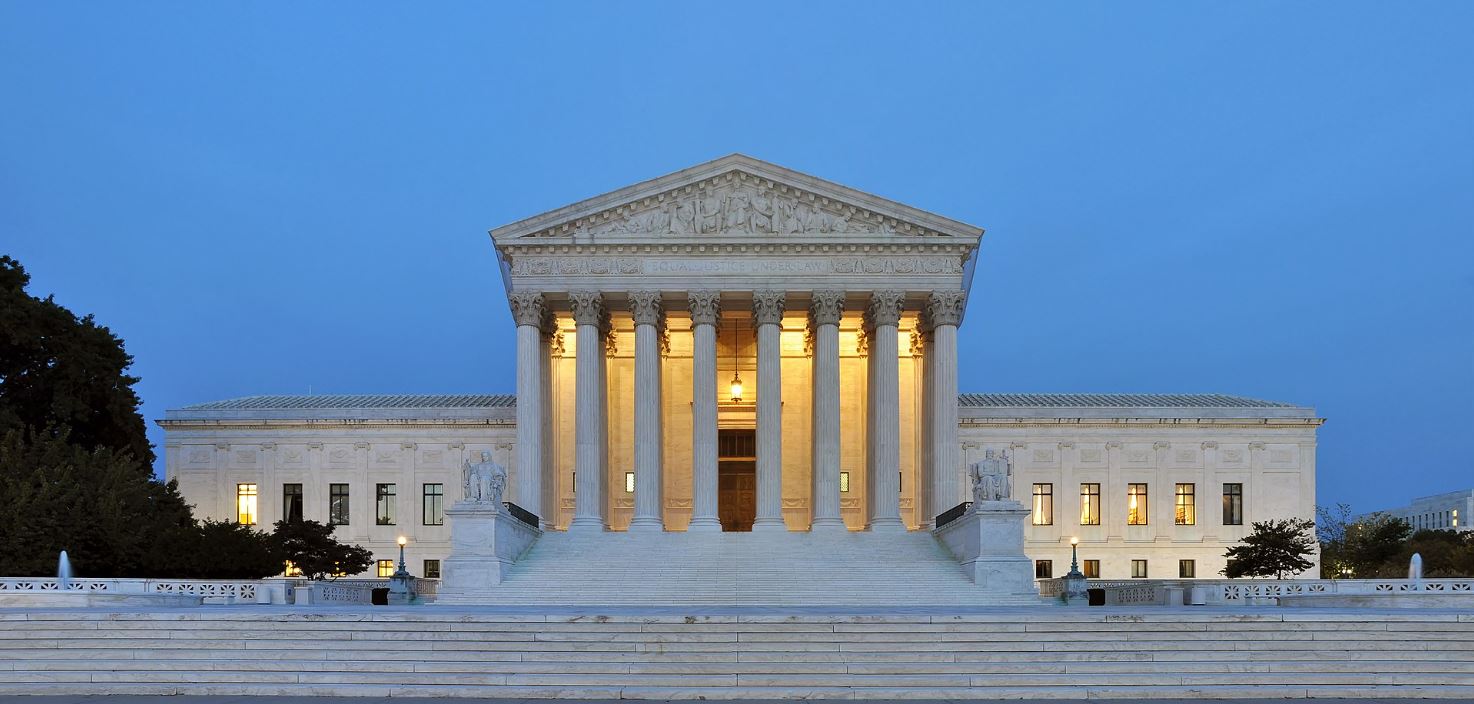
The Supreme Court has disabled most of Trump’s tariffs, considering that they are beyond his authority. However, this ruling does not affect all of his tariffs
The Supreme Court has disabled the majority of Trump’s tariffs on Friday, considering that they were beyond his authority. Since he imposed the tariffs by employing a law that can only be used for a national emergency.
The tariffs were struck down as the majority of justices (6) agreed to Trump’s aggressive approach towards imposing tariffs, while 3 disagreed with this decision. Trump had imposed these tariffs on the products entering the United States from different countries.
This tariff imposition was not allowed as per the 1977 Law known as the International Emergency Economic Powers Act (IEEPA).
The ruling invalidates the majority of Trump’s tariffs but not all of them. Therefore, he could still reimpose some tariffs by using other laws.
The ruling was led by Chief Justice John Roberts, who was accompanied by three liberal justices and two fellow conservatives, including Justices Neil Gorsuch and Amy Coney Barrett.
However, Robert, one of the Judge has reported that the president is proclaiming that he has the power to impose tariffs on his own without any limits. At the same time, he criticises the administration by highlighting that they have not shown any law, according to which Congress gives power under IEEPA.
Victor Schwartz, running New York-based wine and spirits importer VOS Selections, stated that it is great that courts at this level have recognised their duties of unconstitutional government overreach and performed them well.
The decision will not affect all of Trump’s tariffs, including the tariffs he had imposed on steel and aluminium, by employing different laws.
But the ruling divides his tariffs into two categories. The first one is country-by-country or reciprocal tariffs, which range from 34% for China to a 10% baseline for the remaining world.
The second one is 25% tariffs imposed on goods from Mexico, Canada, and China, which the administration has highlighted as their failure to reduce the flow of Fentanyl and other precursor chemicals.
The companies that had to pay the tariff are trying to get a refund from the Treasury Department by suing. Currently, the court has not addressed this issue, but Kavanaugh, while disagreeing, stated that this ruling could leave a significant impact on the US Treasury.