
U.S. stock futures have declined on Sunday after following a major decrease in bitcoin over the weekend. The precious metals also experienced an incredibly large sell-off on Friday, capping an extremely volatile first month of 2026.
Futures for the Dow Jones Industrial Average (YM00) recovered from large initial losses and are currently down about 48 points (0.1 percent) late Sunday night. Futures for both the S&P 500 (ES00) and Nasdaq 100 (NQ00) were off about 0.3 and 0.7%, respectively.
On the other hand, Gold(GC00) and silver futures(S100) increased on Sunday after melting down on Friday, which removed a combined $7.4 trillion in market value. Both gold and silver dropped by 11% and 31% despite their record-setting gains during the previous years.
Bitcoin also dropped during the weekend to less than $80,000 for the first time since April and was trading slightly above $77,000. The crypto also recorded a drop by 10% on Saturday and is down nearly by 30% over the previous three months.
According to the senior financial market analyst at Capital.com, Kyle Rodda, the sell-off of Gold and Silver on Friday has bled into the other markets as well. He argued that currently, deleveraging is occurring, which is forcing investors to sell other assets to recover their losses against precious metals positions. Resultantly, this is leading to a sell-off in stocks and also causing a drop in Bitcoin during the weekend.
In the meantime, West Texas Intermediate Crude(CL.1), the US Benchmark also dropped by 2.8% on Sunday after scotching to a six-month high in January.
The Organization of the Petroleum Exporting Countries and its allies, including a group of major oil producers, reiterated their decisions on Sunday to pause the production hikes in March. The oil market is also unstable after the imprisonment of Venezuela’s president by the US in early January and the takeover of that nation’s oil industry. The Trump administration’s threats of new military actions against Iran also contributed to this tumultuous condition of the oil industry.
On Sunday, Iran’s supreme leader also warned that any US attack could lead to a regional war. As a result of this geopolitical tension, the Brent Crude(BRN00), the global benchmark, also dropped by 2.8%.
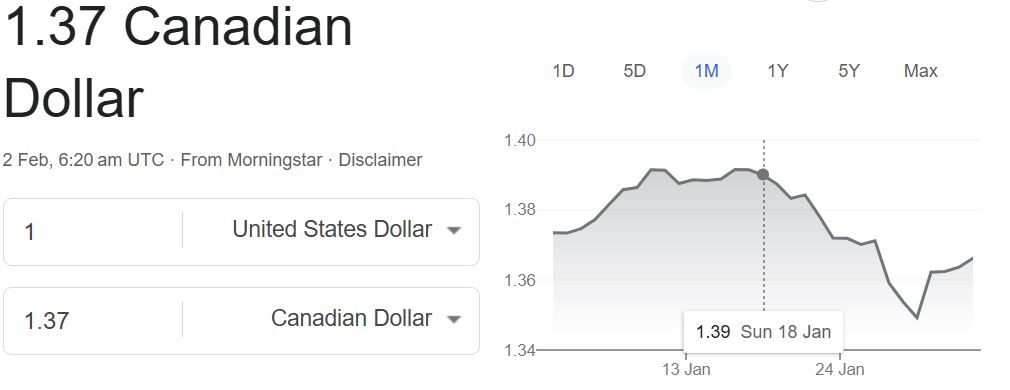
The ICE US Dollar Index DXY, which relates the greenback to a basket of competing currencies, recorded higher on Sunday. This occurred when the USD dropped by 2.1% in January, recording its lowest level since February 2022. The US dollar is down more than 10% over the past year.
Read: Asian Stocks Plunge as South Korean & Hong Kong Shares Decline
While commenting on this situation, Stephen Innes, managing partner at SPU Asset Management, states that the market is forced to re-evaluate the dollar as the new Fed Chain start implementing his monetary policy. He further added that the dollar not only indicates the macro conditions, but it also plays a significant role in redefining them, tightening the overseas financial conditions, affecting earnings translations, and forcing portfolio decisions across each major asset class.
US stocks also dropped on Friday despite recording gains during the last month. The Dow DJIA ended January by recording 1.7% high values, which is its ninth consecutive month of increase and its longest winning streak since 2018. S&P 500 SPX stock increased by 1.4%, and the tech-heavy NASDAQ COMP increased by 0.9%.