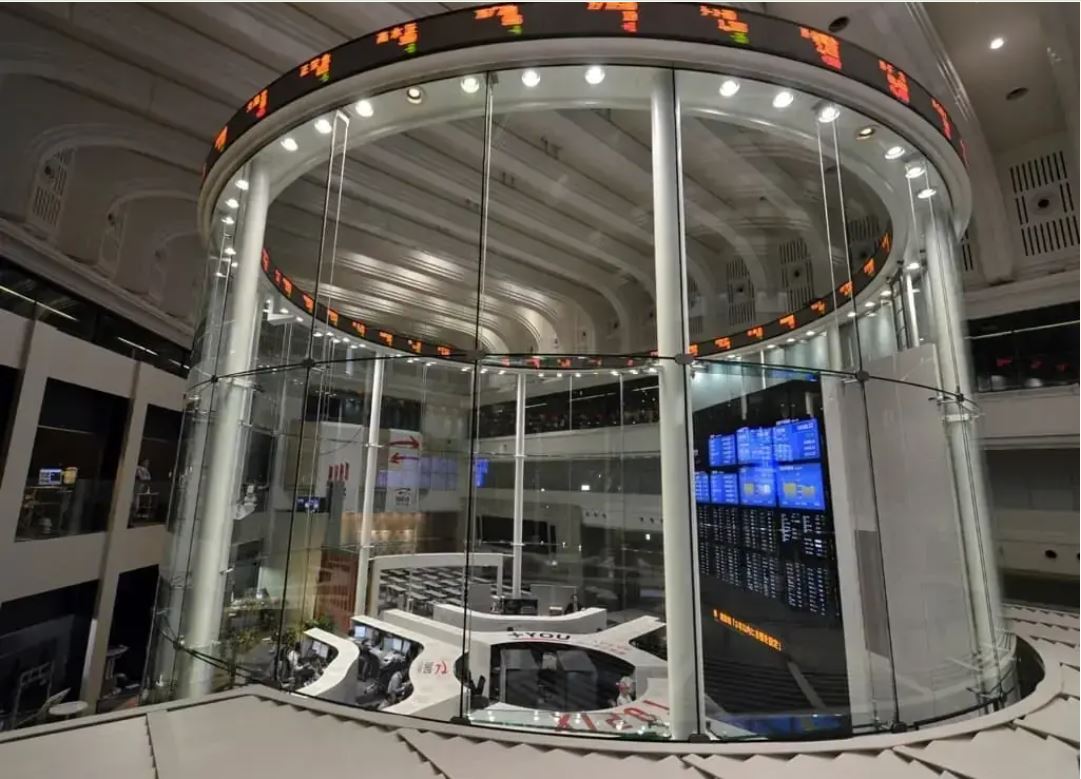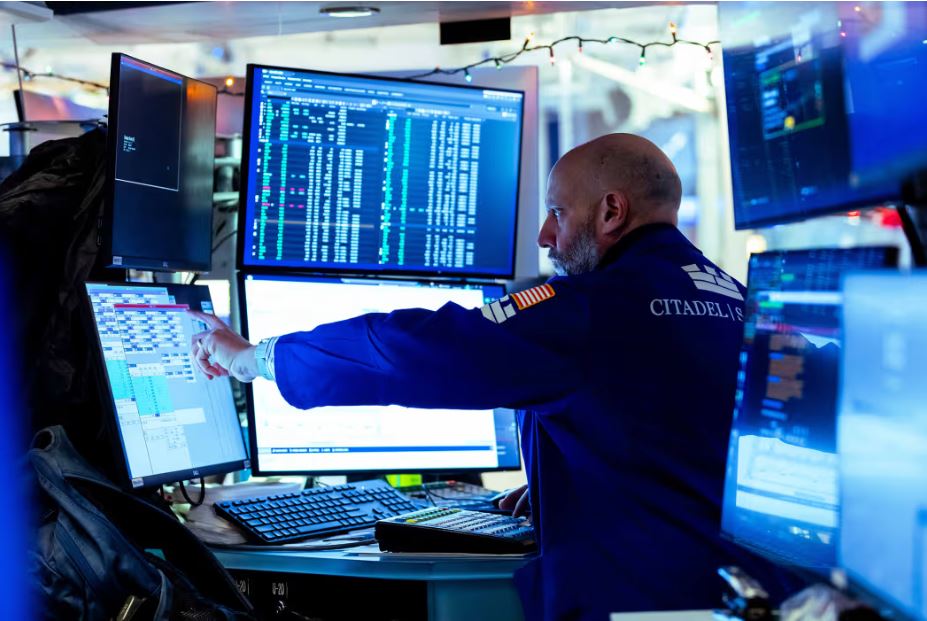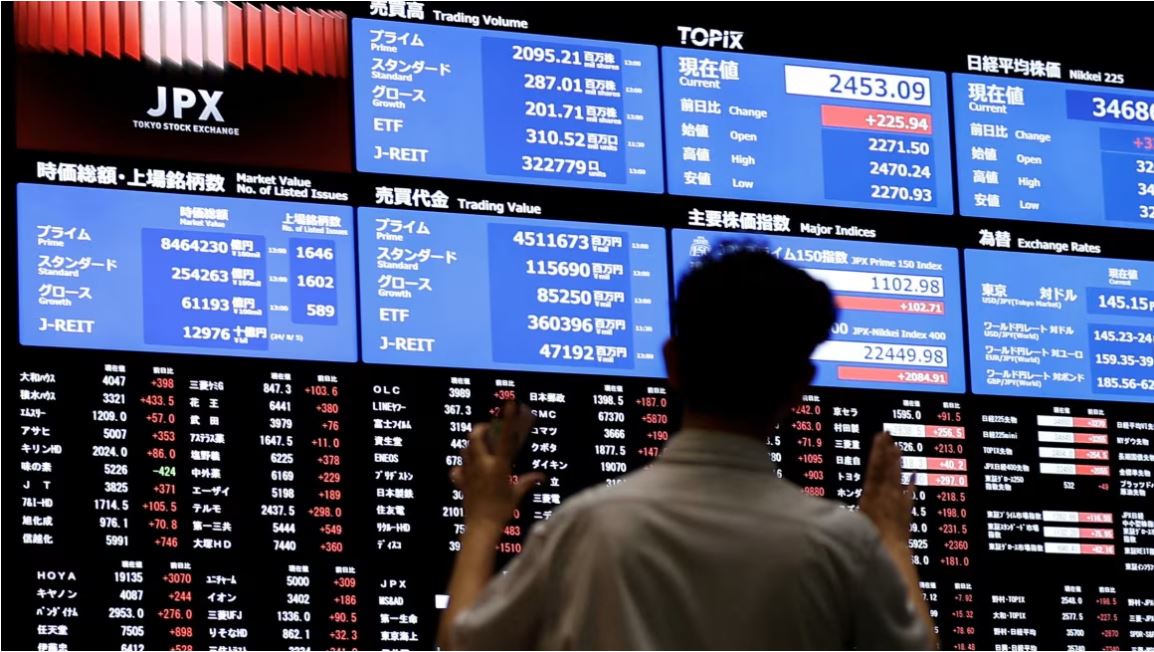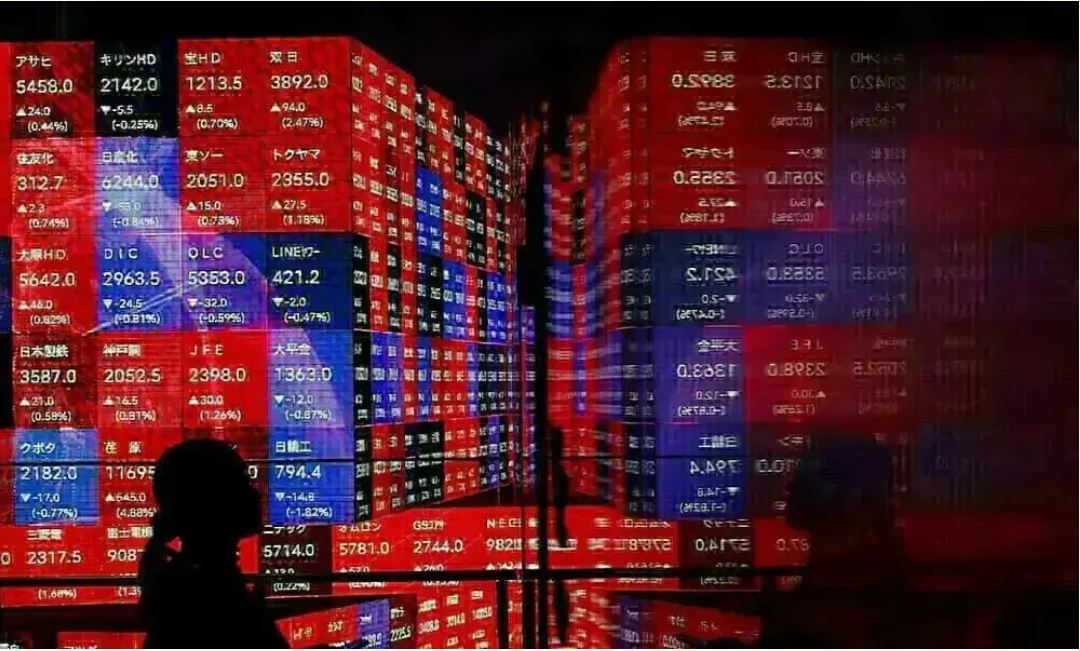
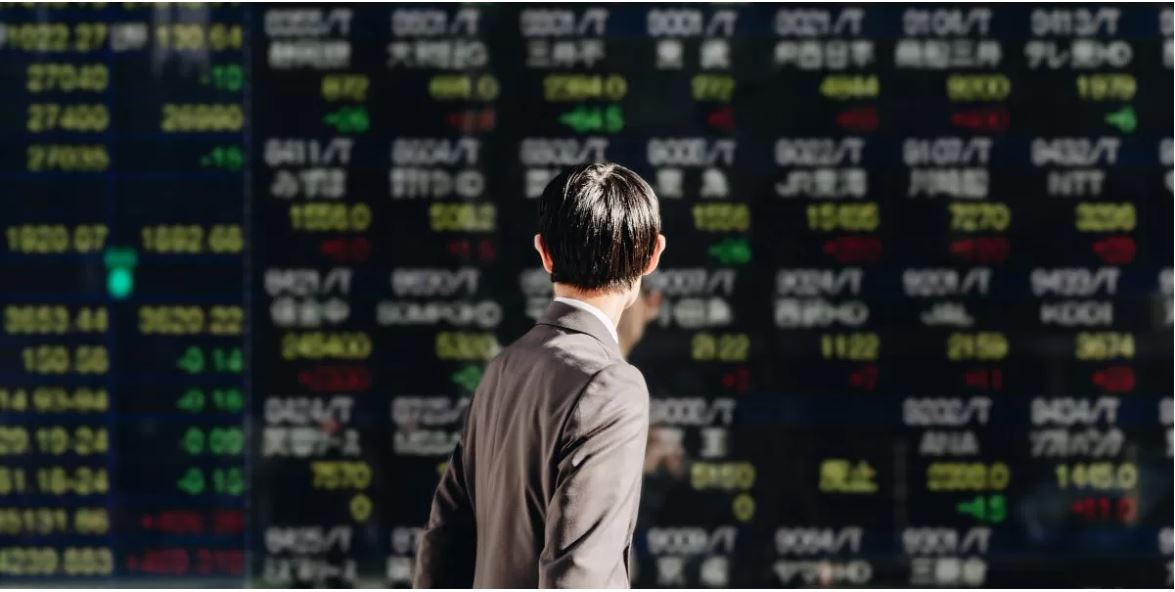
Asian stock markets plunged today, driven by a sharp decrease in South Korean and Hong Kong Shares. The rationale behind this decrease is that the AI-powered sell-offs were aligned with weak sentiments from U.S. stock markets. Investors were also trying to read the mixed signals from China’s most recent manufacturing activity numbers. This also occurred as stock market futures on Wall Street were declining during the Asian trading sessions. Technology stocks on the Nasdaq were very volatile throughout Asia and lost approximately 1% from the previous day’s close due to a concern that investor enthusiasm over AI stocks may have gotten too far ahead of market fundamentals.
South Korea’s KOSPI decreased by more than 5% due to losses among heavyweight chipmakers, including Samsung Electronics (KS: 005930) and SK Hynix (KS:000660) dropping between 4.8 and 6.5%.
Hong Kong’s Hang Seng index also fell by 2.5% as the Hang Seng TECH sub-index lost more than 3%. The markets all over the region were broadly weaker, indicating a cautious start after the decrease in the US equities last week.
Read: USD/CAD Holds Firm Near 1.37 As Oil Prices Weaken
Following the recent US earnings, the sentiments towards AI-linked shares have declined, including the results of Microsoft Corporation (NASDAQ: MSFT), indicating the increasing costs associated with heavy AI-investment and raising concerns over returns in the near-term.
The outlook of the sector would be the centre of focus for this week as earnings of the companies, including Alphabet and Amazon, are pending, both of which are considered bellwethers within the cloud computing and AI industries.
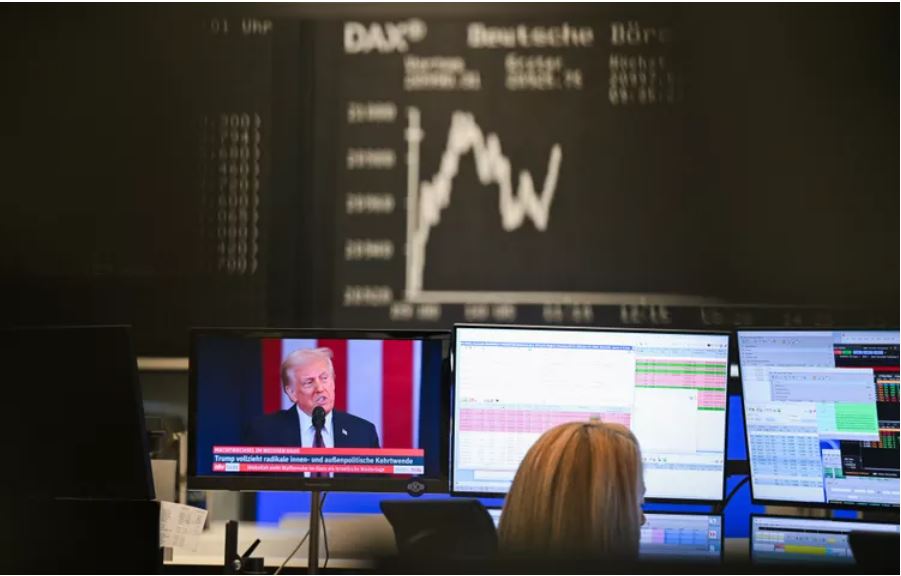
The news of US President Donald Trump nominating Kevin Warsh to become the next chair of the Federal Reserve has also created an atmosphere of caution among investors. As well as being a former governor of the Fed, Warsh has proven to be very vocal regarding inflation risks, making him quite hawkish throughout his career when it comes to monetary policy decisions.
Moreover, the data released on Saturday also indicated that China’s official manufacturing PMI further slipped below the 50 mark in January, highlighting a contraction within the factory activity and continuous weakness in domestic demand. Contrarily, RatingDog, the private manufacturing PMI, which emphasizes smaller and private firms, offered a more optimistic view of the export sector by edging back into the expansion territory.
The Blue-chip Shanghai Shenzhen CSI 300 within mainland China dropped by 1.1% whereas, whereas the Shanghai Composite fell by 1.3% during a broader regional recession.
Similarly, the Nikkei 225 in Japan slumped by 1%, and the TOPIX index recorded 0.3% lower. Australia’s S&P/ASX 200 also decreased by 1.3% and Singapore’s Straits Times Index fell by 0.3%. The open trade rate of India’s Nifty 50 also plunged significantly.