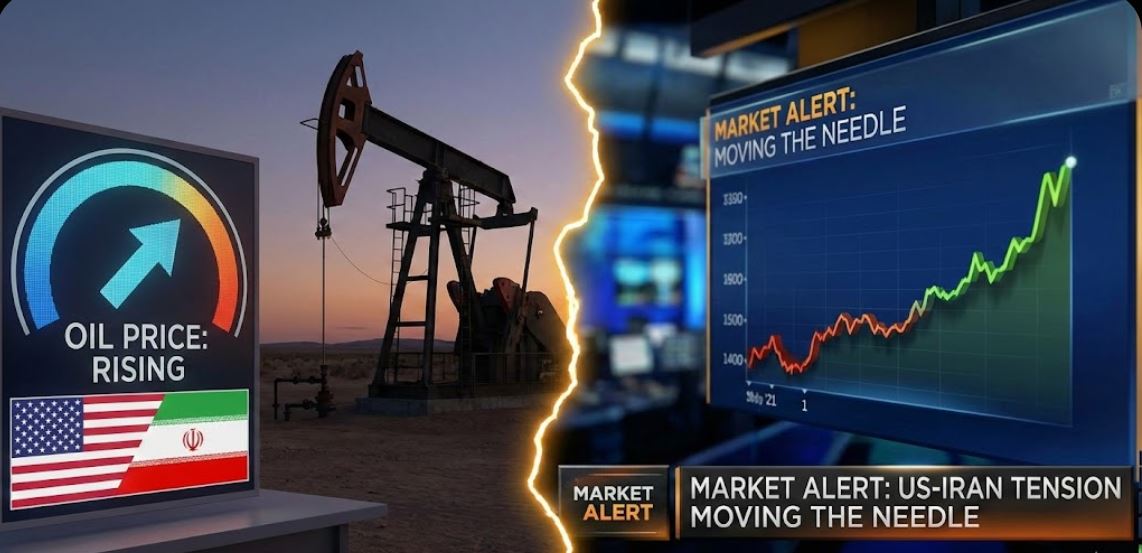
Oil prices reported a significant increase on Wednesday due to lingering supplies from the US. The US crude output and exports are disrupted heavily due to the winter storm. The ongoing tension within the Middle East further exacerbates the situation.
According to Reuters, the Brent crude futures price increased to $67.85 per barrel by 0410 GMT. On the other hand, the US West Texas Intermediate crude oil price jumped to $62.74 per barrel. Both benchmarks reported an increase of 3% on Tuesday.
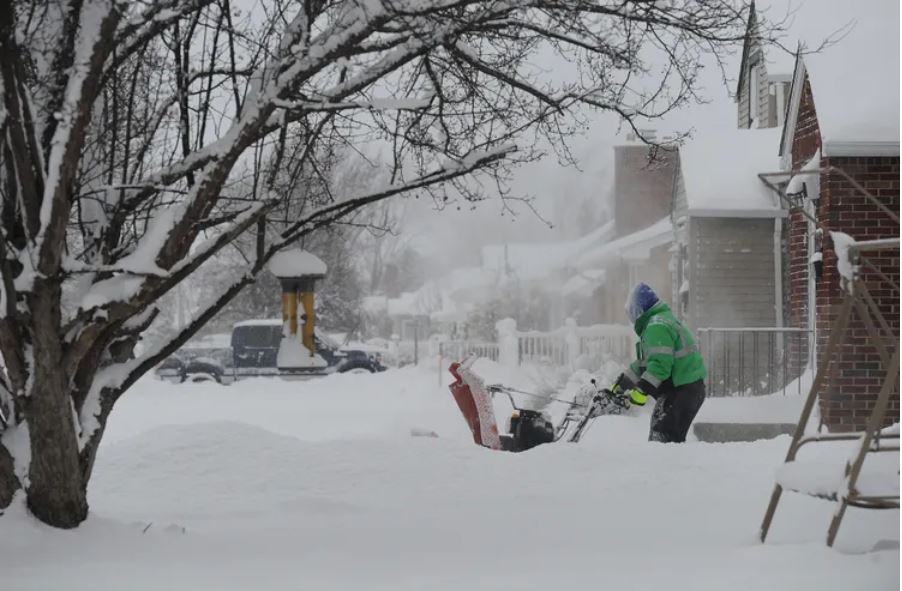
The producers within the US have lost up to 2 million barrels per day during the weekend due to storms affecting power grids and energy infrastructure, which is equivalent to 15% of the national output.
Moreover, Vortexa, the ship tracking service, has reported that export of crude and liquefied natural gas from the US Gulf Coast ports has also reduced to nearly zero on Sunday.
Toshitaka Tazawa, an analyst at Fujitomi Securities, has further indicated that the damage to production in Kazakhstan is also contributing to this rally. He explained that on average, the anticipated crude supply surplus this year, during the Middle East and geopolitical tensions, could keep WTI trading at $60 per barrel.
According to the pipeline operator CPC responsible for handling 80% of Kazakhstan’s oil exports informed that the damaged production facility, which is Kazakhstan’s largest oil field, Tengiz, will be restored from the damage caused by fire and power outage in February.
Read: Why Wall Street is Feeling Anxious Ahead of Tesla’s Q4 Earnings?
However, despite recovery of damage fuelled by ongoing harsh winter conditions, the Middle East tensions continue to haunt the oil supplies. According to Reuters, US aircraft and supporting warships have arrived in the Middle East to take military action against Iran and defend US forces.
This has increased the possibility that Trump will follow through on its threats of attacking Iran’s senior leadership as a result of fierce restrictions on countrywide protests.
At the same time, the organizations of the Petroleum Exporting Countries, Russia, and other allies have decided to pause their oil outputs, as highlighted by three OPEC delegates. The US crude and gasoline stocks were anticipated to increase by January 23rd, whereas distillate inventories were likely to fall. However, the results were opposite as the US crude and gasoline stocks fell while distillate inventories increased last week, as indicated by the American Petroleum Institute.