
The belief that Trump will defer his threat to acquire Greenland to address more pressing issues surrounding the affordability of the midterm elections is prevalent among bond investors. “Nothing can be ruled out as changing next week,” said a strategist on Tuesday. Tuesday’s drastic decline in the Treasury market, alongside the dollar and the U.S. equity market, created anxiety related to the possible extent of President Trump’s interest in acquiring Greenland.
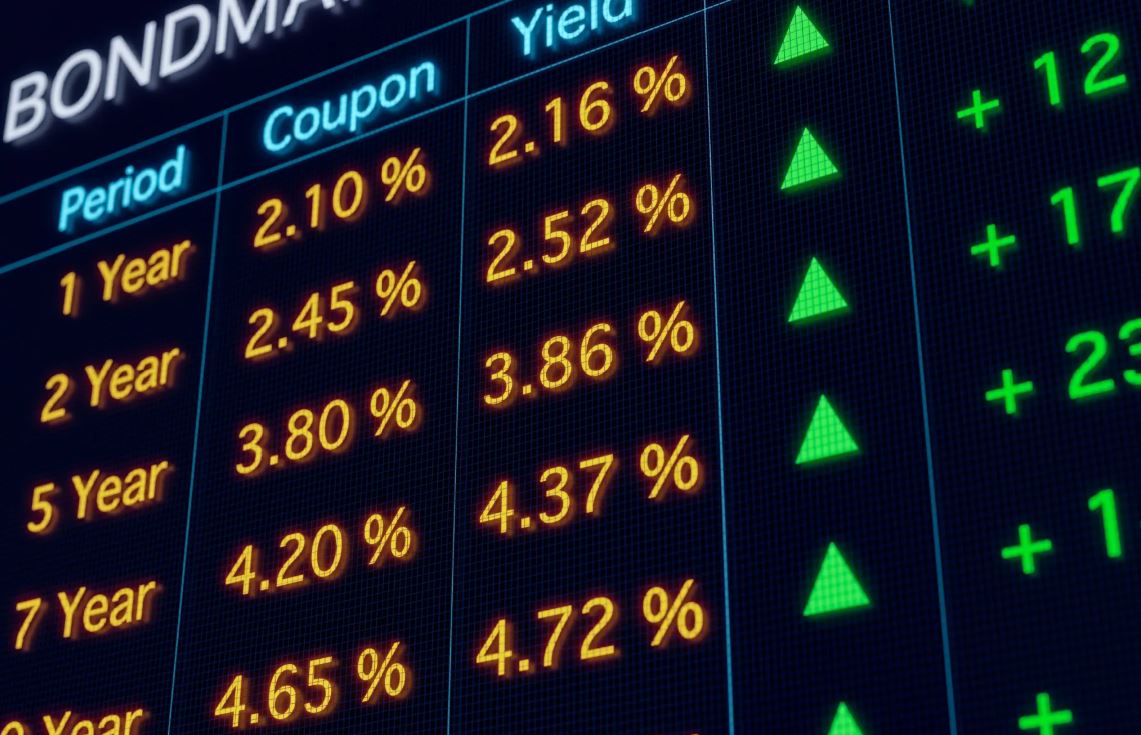
Although the benchmark 10-year Treasury index saw a 6.4 BPS increase to approximately 4.294% as of Tuesday, with the highest yield recorded since August, the dollar decreased approximately 0.9% compared to the other major global currencies. While the S&P 500 stock index had its worst performance on Tuesday since October. “It was like liberation day,” according to Kevin Gordon, lead macroeconomic research and strategy analyst at the Schwab Center for Financial Research, when referring to how long the effect of Trump’s tariff announcement on April 2, 2025, was on markets.
Nevertheless, bond investors understood very quickly that tariffs were delayed, and for most of them, reduced; markets became bullish again. Additionally, they understand that the Supreme Court is also poised to announce its decision regarding whether to rule on many of Trump’s 2025 tariffs.
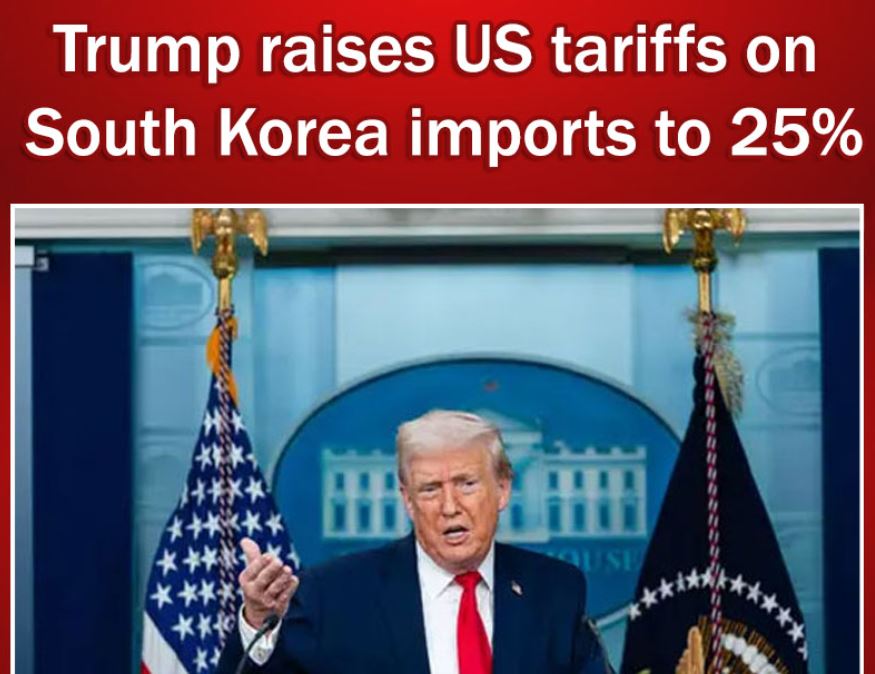
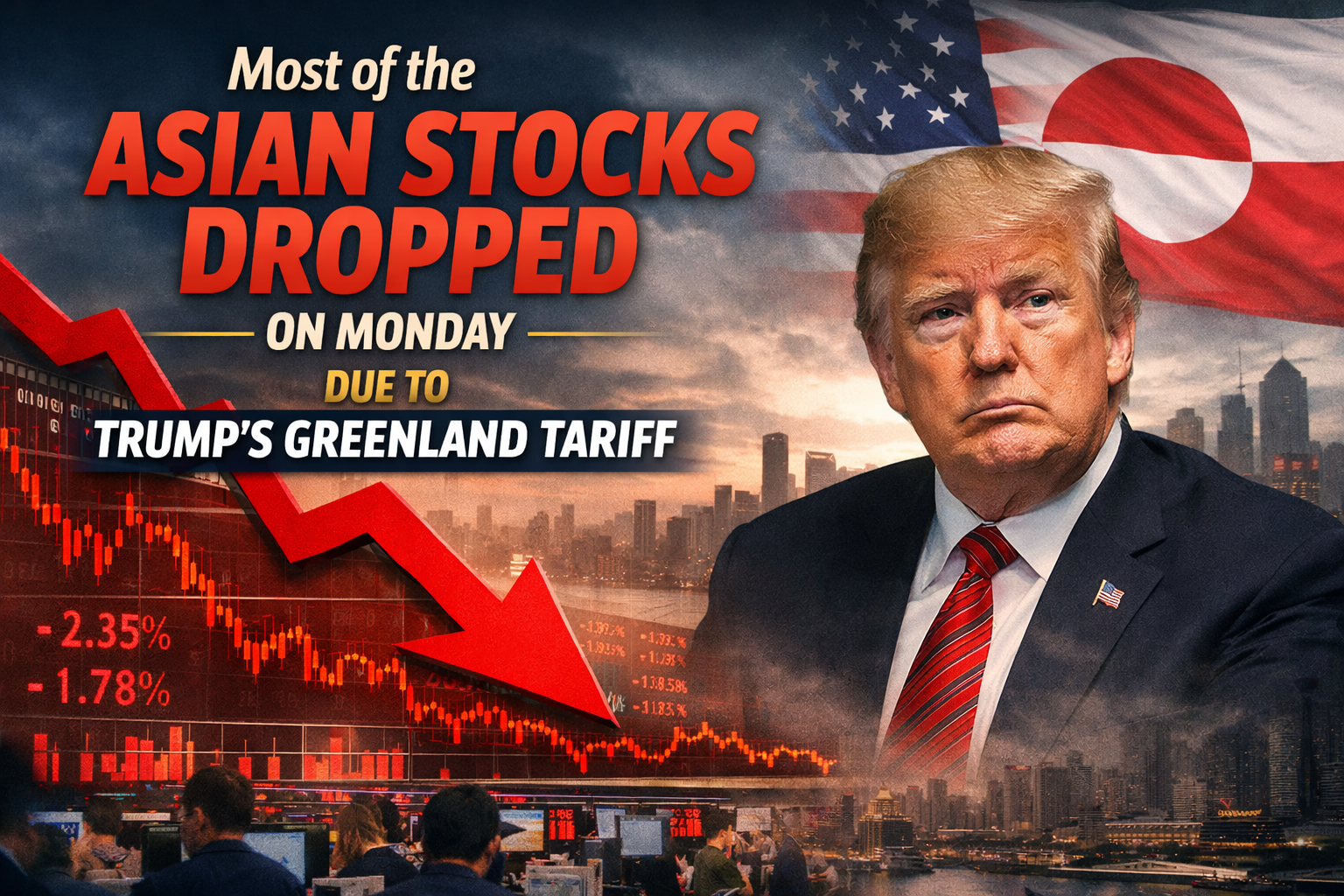
Yet President Trump over the weekend made a new tariff threat against eight European nations due to their unwillingness to allow him to purchase Greenland. Gordon further said “We have a serious disagreement over tariff increases that we would impose on each country if this were to occur.”
Investors have recently expressed concerns that Western European allies may be increasingly motivated to “weaponize” their large stock and bond holdings within the United States, thereby adding further downward pressure on the U.S. dollar. On Tuesday, a significant Danish pension fund came into play when it announced through its spokesman to the Bloomberg News agency that it would be divesting $100 million worth of Treasury securities very soon.
Read: Why Gold Prices Are Reaching New Record Highs — What Investors Need to Know
The potential decrease in Treasury buyers could result in a rise in bond yields, which could create higher borrowing costs for U.S. households, corporations, and the Federal Government itself. “There is certainly a level of uncertainty and concern,” stated Ruben Hovhannisyan, a TCW fixed-income generalist portfolio manager, adding that he observed the rise in longer-duration bond yields globally today.
“The markets sometimes tend to panic and create overreactions, but whether we are witnessing an overreaction at this time will remain to be seen,” said Hovhannisyan, who characterized the amount of the “small” Danish pension fund holding as “the proverbial drop in the bucket” compared to the $30 trillion U.S. Treasury market as a whole.
He further stated that the recent rise of ten-year Treasury yields would hinder President Trump’s decision to direct Freddie Mac (FMCC) and Fannie Mae (FNMA) to purchase an additional $200 billion of mortgage-backed securities to lower the thirty-year mortgage rates.
However, the increase in 10-Year Treasury Yields was spurred by Tuesday’s announcement from the Bank of Japan and the recent highs in Japanese government bond yields, as a result of Japan proposing tax cuts and spending increases to help stimulate its economy. According to George Catrambone, Fixed Income Head of the Americas for DWS, the real issue is still Japan.
An increase in Japanese yields could likely cause Japanese investors to invest more of their money locally rather than seeking out major foreign investments such as U.S. Treasuries. Catrambone stated, “The 10-year Treasury yield is certainly front and center in the media.” Catrambone expressed that he doesn’t believe the current situation is anything major or that there is a diplomatic disagreement that can’t be resolved. “What bothers me is that if rates rise closer to 4.5% than to 4.2%,” he added.
Catrambone advises keeping an eye on the 10-Year Treasury Yield as it approaches the potentially pivotal 4.5% level. The recent surge in 10-year treasury yields may be a negative sign for stock prices, as the benchmark rate just passed through its 200-day moving average of 4.2%, which suggests that further price increases are expected to follow.
However, due to the current political environment with the Trump Administration attempting to work to alleviate some affordability issues, it is not the same as April of last year. According to Catrambone, “Rates for the short term will still be limited to 4.5%.
Once that happens, we will return to an unfavorable environment for the US economy again.” Therefore, “there will be an offramp. Catrambone stated that moving beyond the 4.5% yields would usher in a more restrictive environment for the US economy than those experienced in previous years due to restrictive monetary policy.