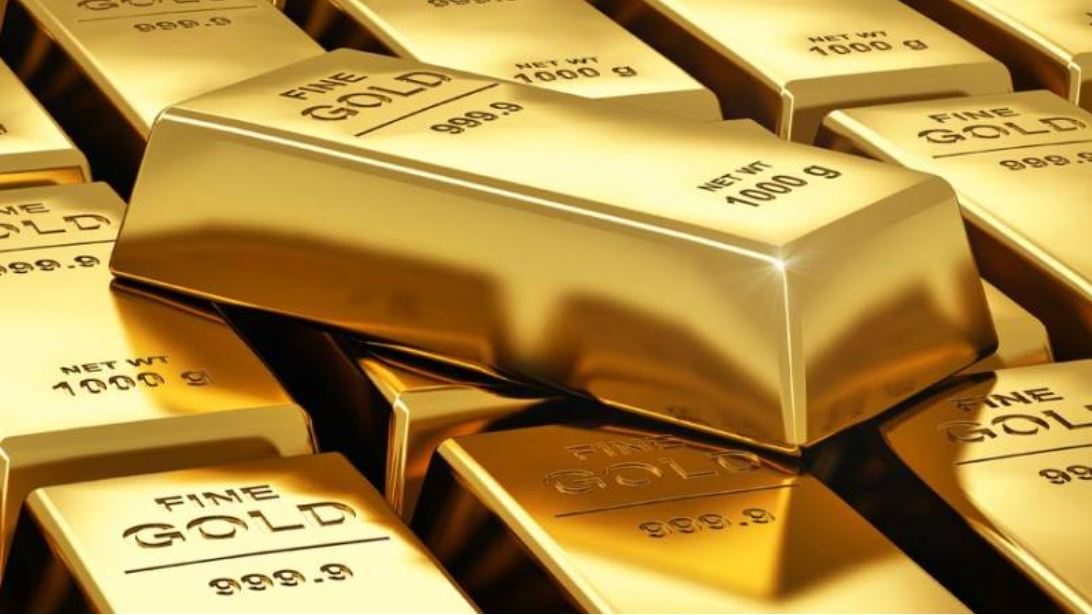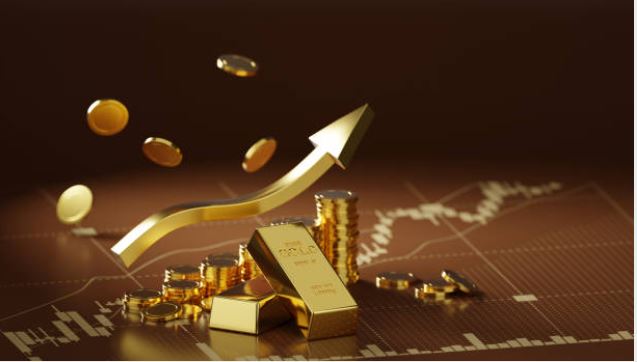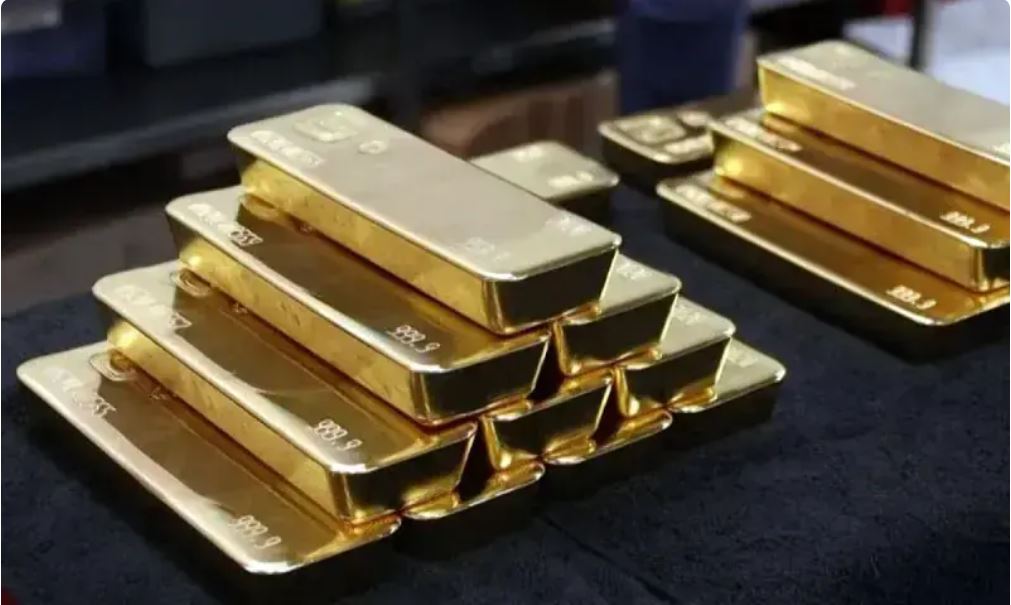
Gold prices in 2026 have experienced a historic increase due to global uncertainties, geopolitical tensions, and an anticipated change in monetary policy. The Gold has never been more attractive than now across both local and international markets. Understanding why the Gold trend is heading upward will assist investors and savers in making the best decisions. Therefore, this article is focused on discussing the reasons behind the soaring prices of gold.
Historic Increase in Gold Prices in 2026
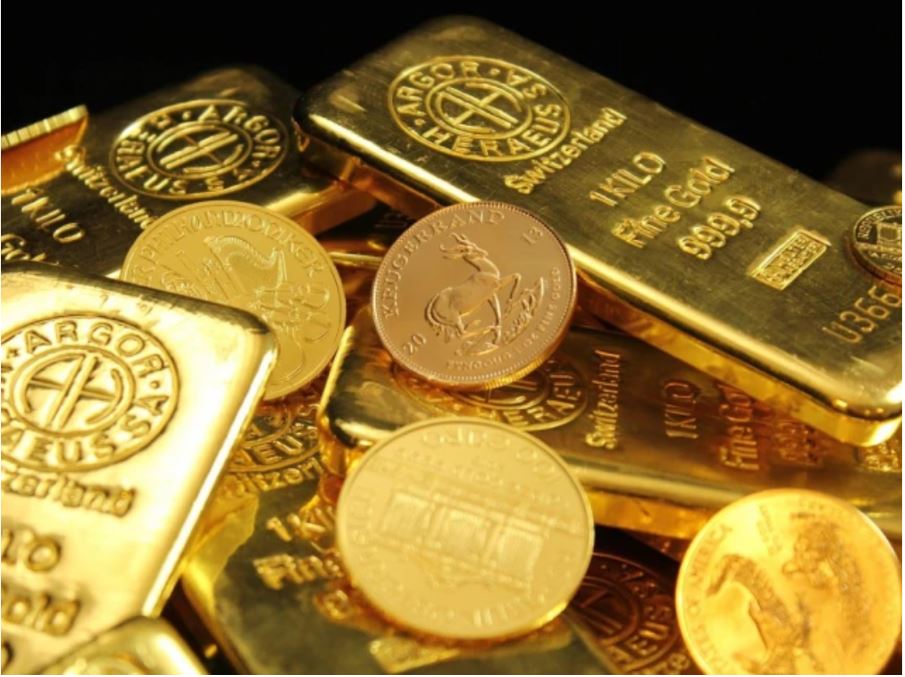
Within the year of 2026, Gold has been on an unprecedented upward trend since reaching an all-time high of *over* $4,600 per ounce in the global marketplace, and as of this date, is not expected to rise higher. The price of Gold per Tola/10 grams has also reached record levels as a result of global factors affecting Gold prices in other countries, as well as the ongoing political movements, where investors are looking for a haven for their investments, generating a paramount rise in overall Gold demand.
There are a number of reasons analysts and traders believe will continue to drive the positive momentum of Gold and its price.
Increasing Demand for Safe Haven Assets
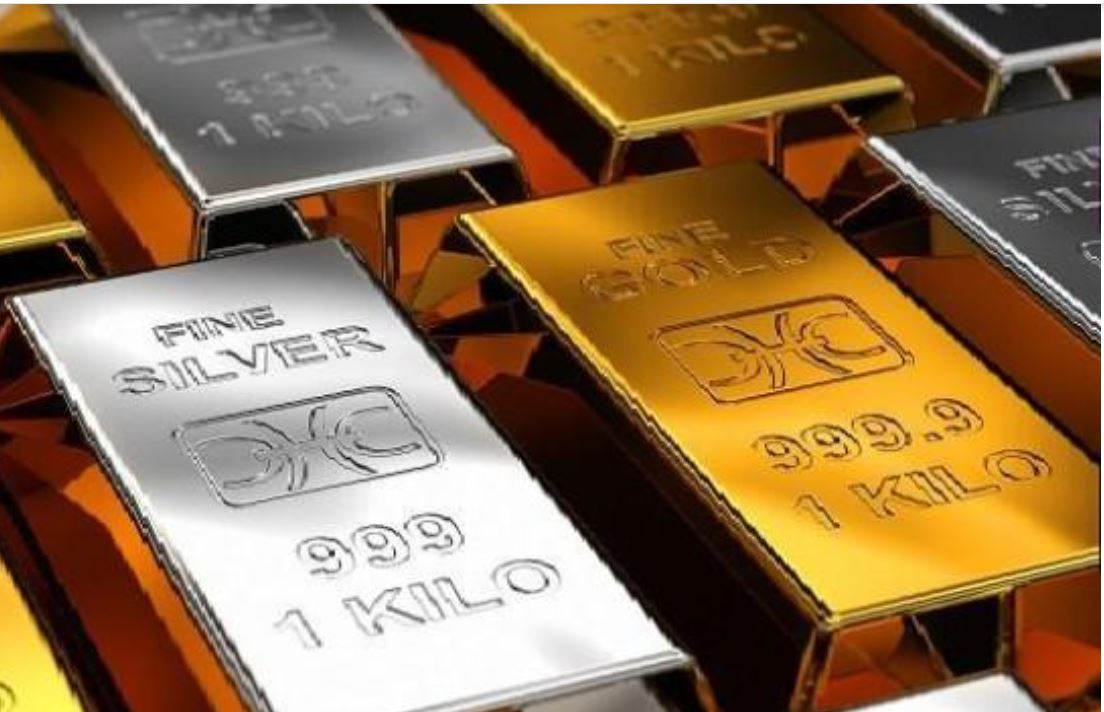
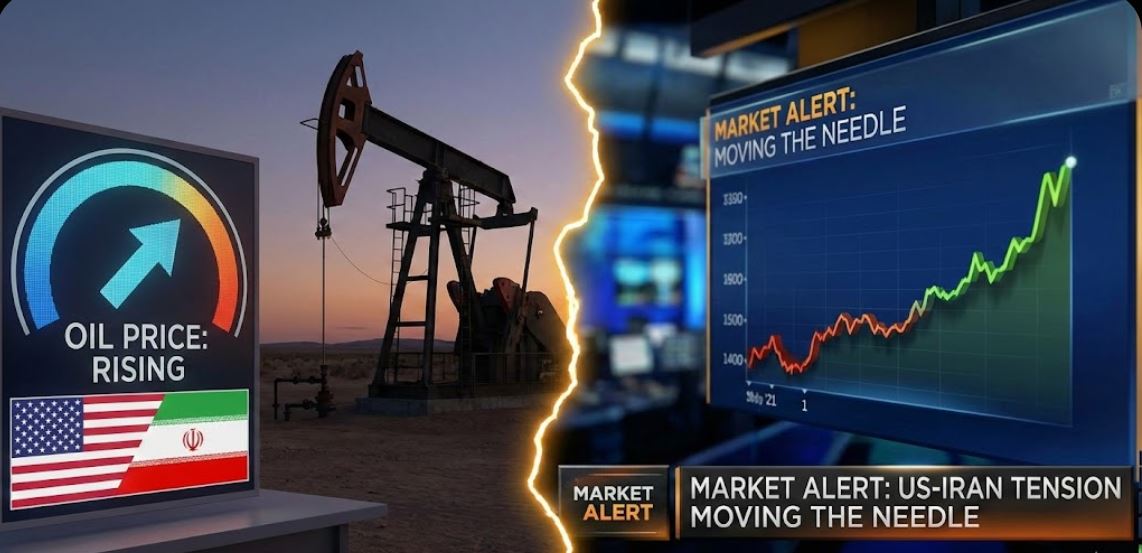
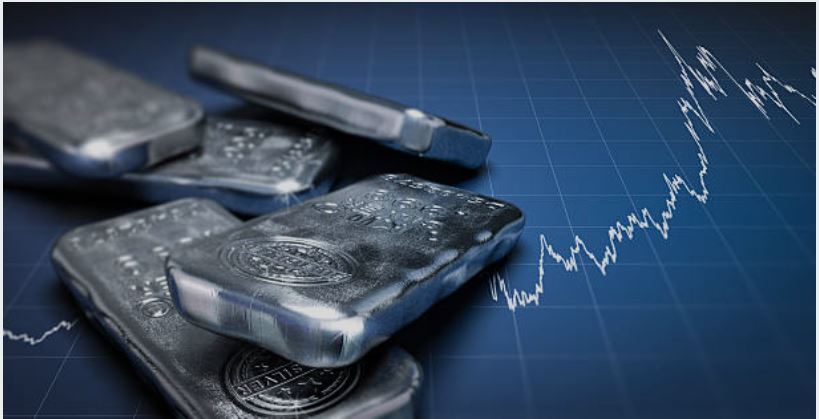
As a result of geopolitical uncertainty in the Middle East alongside military confrontation made by major powers on one another, and an uncertain foreign policy from the United States, investors continue to seek refuge for their assets (when financial markets are volatile) in a so-called “safe haven.” Historically, the primary asset that has been used as a “safe haven” is precious metal “gold” (along with silver).
Therefore, in times of heightened geo-political risk, investors generally shift away from investing in stocks or real estate (which are considered high-risk investments), toward buying precious metals (such as gold or silver) as these are considered to be more secure investments during these periods of uncertainty. Further, due to an increase in safe-haven demand, and at the same time increases in the price of gold and silver to record levels, gold prices have risen significantly since last year compared to next year’s projected increase in prices.
Expectations of Expansionary U.S. Monetary Policy
In addition to geopolitical factors prompting greater demand for gold, a major contributor to rising gold prices in the future is the way the market currently views future U.S. economic conditions in relation to monetary policy. Recent statistics reflecting a general slowdown in inflation and weaker indicators of economic activity will cause some investors to speculate that the Federal Reserve will probably include possible future cuts to short-term interest rates.
When interest rates are lowered, typically, there is less opportunity cost associated with non-producing (non-dividend-paying) investments like gold. Therefore, gold becomes more attractive to investors due to having a lower opportunity cost as compared to investments in other securities, such as bonds or savings accounts.
Political developments involving changes to the Fed’s monetary policy will create a greater demand for gold in the marketplace and will result in a corresponding increase in the gold price. Since traders will continuously adjust their portfolios in an effort to hedge against potential instability within the marketplace.
Weakening Dollar and Global Currency Shifts
The current weakening of the US dollar has hurt gold prices overall. Gold prices are generally negatively correlated with the US dollar, meaning that when the dollar declines in value, gold tends to become more appealing internationally to foreign buyers, as it will likely be cheaper to use foreign currencies to purchase gold.
As the value of the dollar continues to decrease, gold’s price has also increased rapidly, primarily due to global concerns related to currency stability and inflation, as well as decreasing confidence in major fiat currencies. Gold gives investors protection against the decrease in value of any of the major fiat currencies, creating a greater need for investment in gold.
Read: How Asian Stocks fell due to Trump’s Greenland Tariff
Central Bank Buying and Investment Demand
In addition to how the US dollar’s value affects gold prices, institutional demand for gold, specifically from the central banks of the world, has also played an important role in determining the price of gold. Many central banks have been buying more and more gold to diversify their portfolios and manage their reserves. The steady increase in purchases of gold by central banks adds structural support to the demand for gold by limiting the amount of gold available in a number of global markets for investment.
While central banks’ purchases of gold have been rising steadily, it is important to consider that this has given investors greater confidence to invest in gold through gold exchange-traded funds (ETFs), thus creating an additional layer of demand for the metal, and hence, driving up its price. Therefore, it can be concluded that the weakening of the dollar has led to an increase in demand for gold across the world.
Final Thoughts
Gold prices increased sharply during late 2026 due to multiple, interconnected macro-environmental factors — including elevated levels of international conflict; inflows into the gold market as a safe-haven asset; emerging trends related to changes in interest-rate policies; and an increase in central bank purchases. The current level of pricing of gold was driven upward by all these various drivers, but the path of future pricing will depend upon how future economic and geopolitical events develop over the near term. Investors and savers must stay current on these trends as they may impact their future decision-making processes during periods of financial instability and economic volatility.