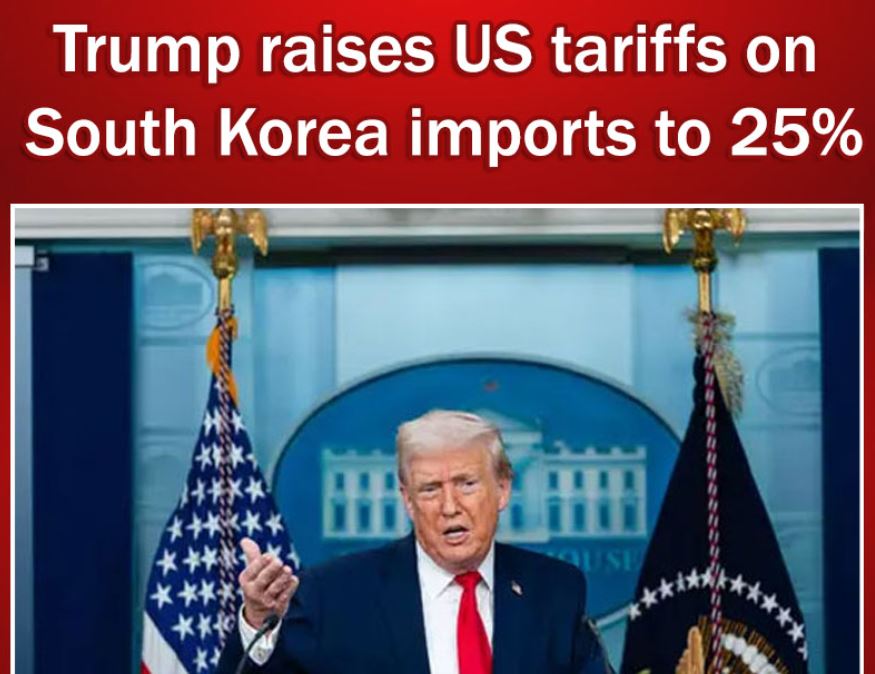
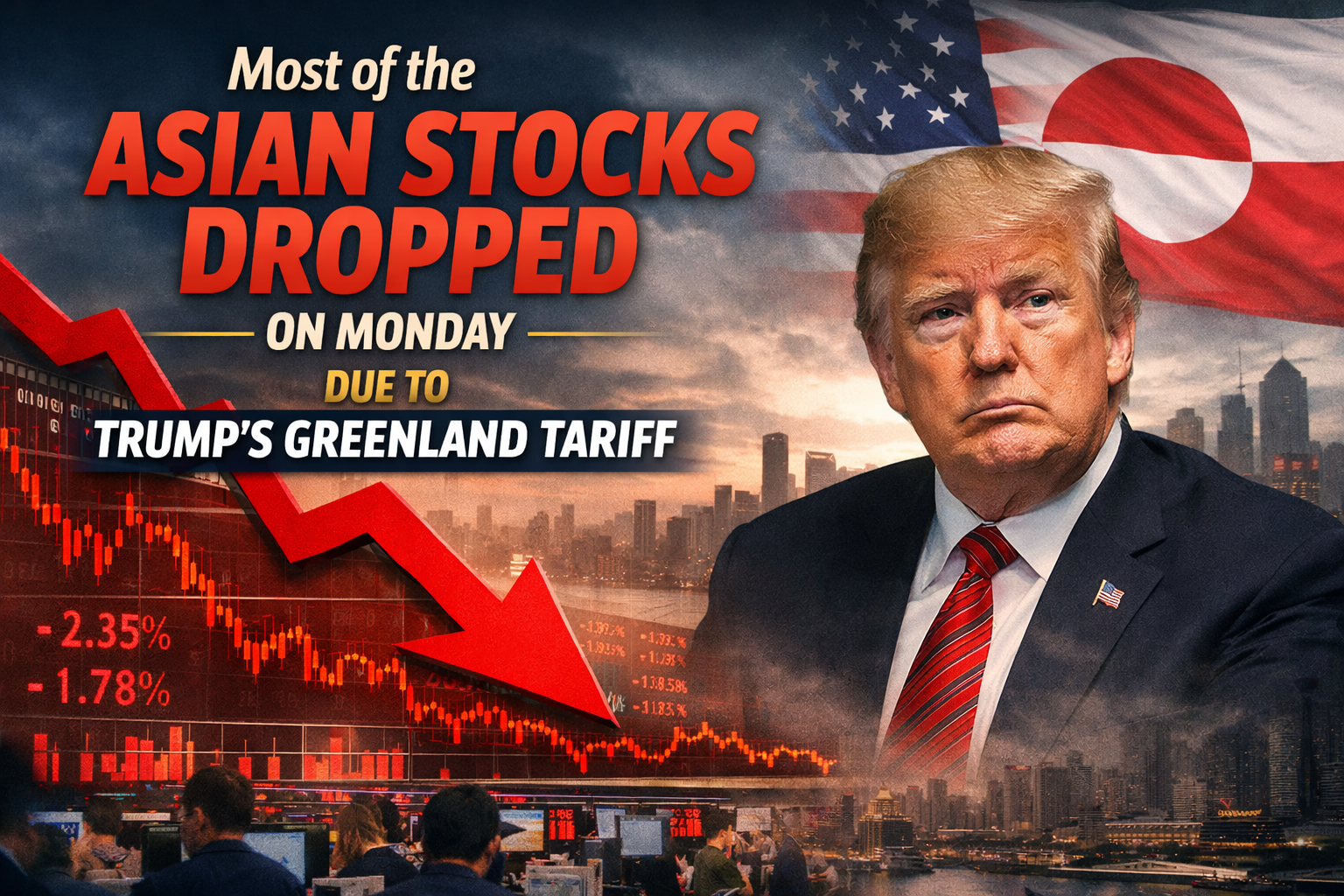
Most Asian stocks dropped on Monday as U.S. President Donald Trump threatened to impose tariffs on several leading European countries, following his efforts to acquire Greenland, which has heightened global concerns about trade implications.
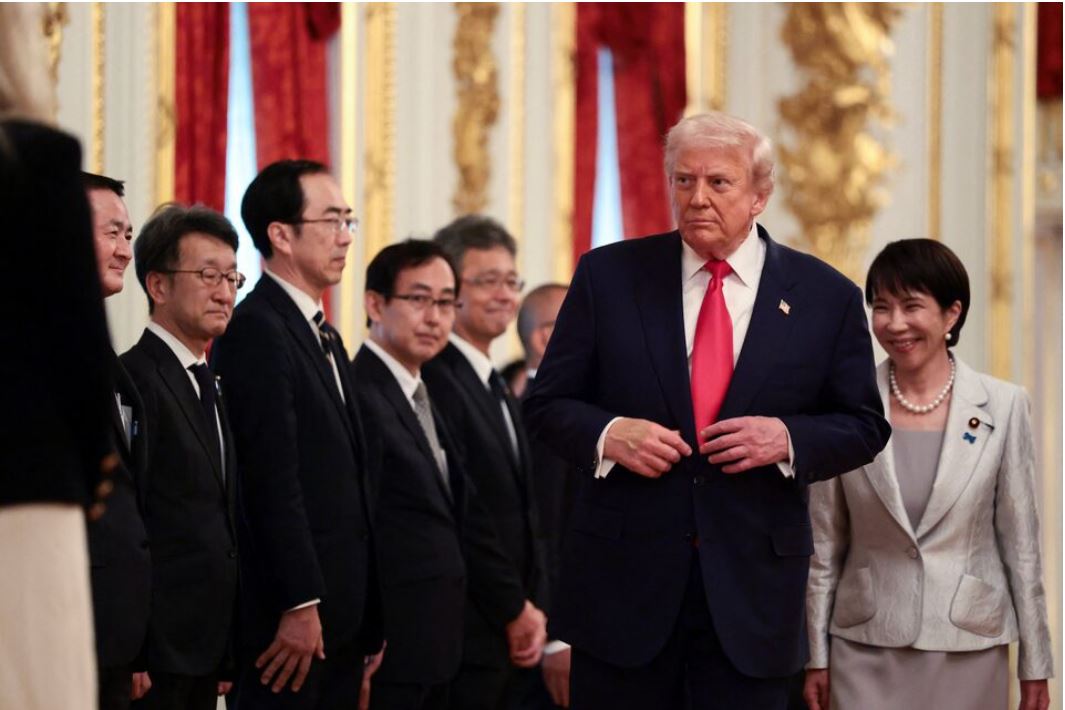
The increase in tariffs will be estimated at around 25% and will be imposed until the United States reaches an agreement with Denmark for the sale of Greenland. Most European countries have opposed Trump’s intentions to purchase Greenland, and France has also seen retaliating Washington.
In addition to raising global concerns about potential tariffs, the tariffs imposed by Trump have also increased some of the geopolitical tensions across the globe, making it more difficult for investors to have a safe place to invest in risk-oriented assets.
Gold prices soared to an all-time high on Monday, as investors continue to seek the safety of gold. In addition to all this, Trump has stated that he believes that Greenland is of significant strategic importance to the United States and that he may use military force to obtain Greenland. After the recent U.S. military intervention in Venezuela, Trump’s assertion now seems much more plausible.
How Asian Stocks Fell Today
On Monday, Japan’s Nikkei 225 and TOPIX 225 stock indices both experienced a decline of approximately one percent and fifty percent, respectively. Similarly, Hong Kong’s Hang Seng index shrank approximately by eight percent. Australia’s ASX 200 stock index also decreased slightly (<0.5%). Singapore’s Straits Times index lost nearly zero (>) 0.5%. Futures for the Nifty 50 stock index of India declined approximately 0 percent (<0.36%).
China’s Shanghai Shenzhen Composite Index (CSI) and Shanghai Composite Index both fluctuated within relatively narrow ranges after the government data indicated slight increase in GDP. Although the GDP number was 4.5% higher than in December, which was in line with analysts’ expectations for the December quarter, it represents the first year of economic growth for China since 2022, and therefore meets the target set by the Chinese government for the year 2025. The main driver behind this strong year-end GDP number for China is the continued strength of Chinese exports to markets around the world, particularly in the Asia/Pacific region. The continued strength of the Chinese manufacturing sector, due to continued strong foreign demand for Chinese products, has been supported by a continued stimulus program introduced by the Chinese government to boost consumer spending. However, some of the prints out of December show that the Chinese economy is not recovering as quickly as originally thought, with fixed asset investment, one of the main measures of business expenditures in China, being significantly lower than expected, and retail sales also being significantly lower than expected.
On Monday, South Korea’s KOSPI outperformed in comparison to regional peers due to the biggest boost from Hyundai. The nation’s two largest chip companies, SK Hynix Inc (KS:000660) and Samsung Electronics Co Ltd (KS:005930), increased in value by 0.20% and 1.90%, respectively. Investor sentiment towards the two companies, both of which are primarily memory chip manufacturers, was improved by Micron Technology Inc (NASDAQ: MU), making a strategic move in investing $1.8 billion to acquire a semiconductor manufacturing facility from Taiwan’s Powerchip Semiconductor Manufacturing Corporation (TW:6770). The acquisition caused Powerchip’s stock price to rise 10% during trading in Taipei on Monday. Although most chip manufacturers across Asia traded lower on Monday, they had experienced a strong week prior due to record earnings reports coming from major chip manufacturers. tear
What will be your next stock purchase?
The current situation has led to investors prudently considering defensive and resilient stocks due to ongoing uncertainty in the marketplace. Historically, the consumer staples sector, as well as health care, utilities, and energy, has outperformed during periods of uncertainty. Stocks and ETFs involved with gold can serve as a hedge against volatility, but for long-term holdings, high-quality dividend-paying companies and those with strong balance sheets will provide a more stable investment vehicle until the markets are able to regain their confidence.