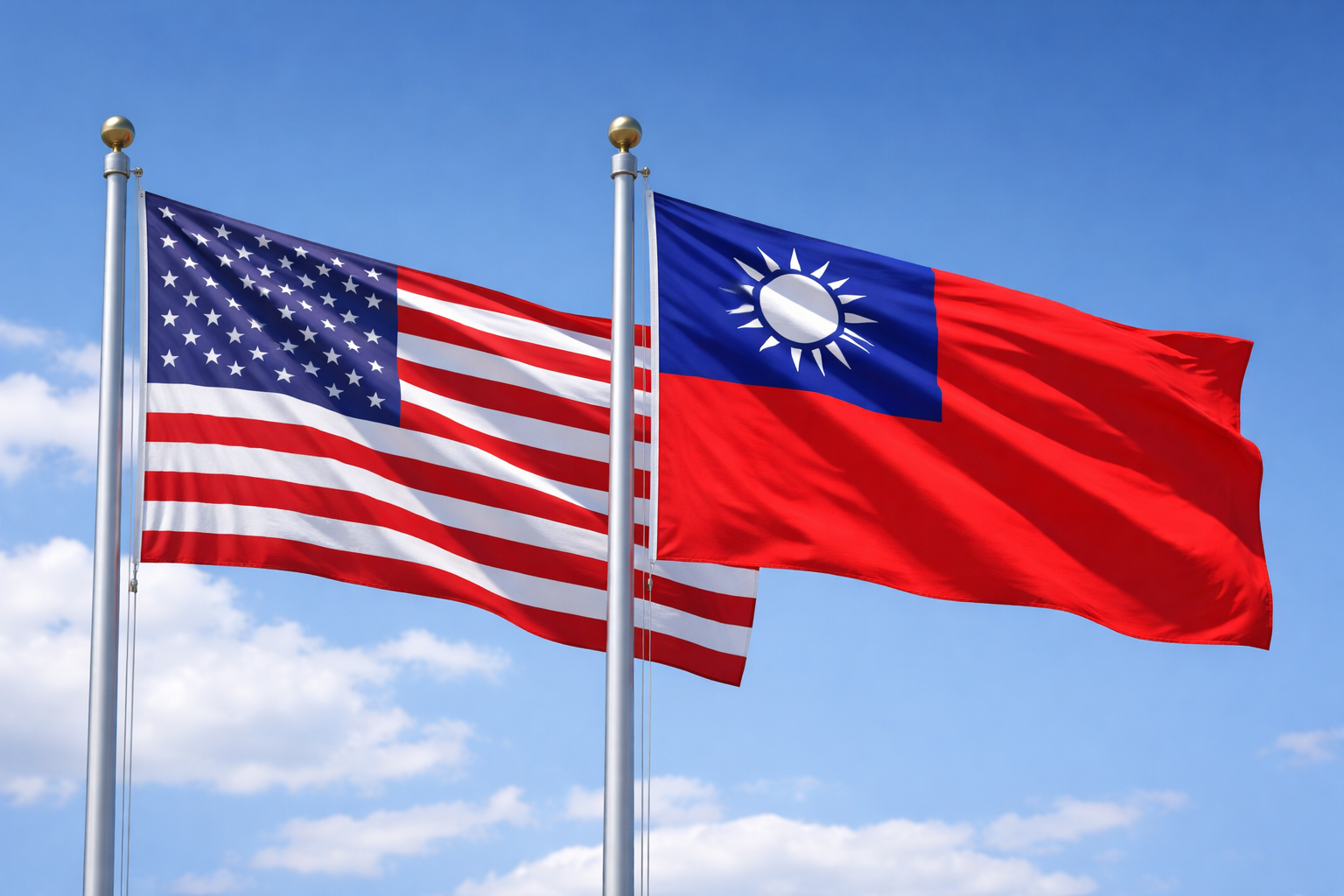
The US and Taiwan have finalised a reciprocal trade agreement. The agreement states that Taiwan will reduce or eliminate tariffs on all US Goods. While the US will maintain 15% Tariff on all imports from Taiwan
Reuters- Trump and Taiwan have finalised a reciprocal trade agreement. According to this agreement, the US will maintain 15% tariff on all imports from Taiwan while Taiwan will reduce or eliminate all tariffs on US goods.
The US Trade Representative’s latest release shows Taiwan is committed (from 2025-2029) under this agreement to buy more US products, such as $44.4 billion worth of liquefied natural gas and crude oil; $15.2 billion worth of civil aviation and engines; and $25.2 billion worth of generators, electric grids, boats, and steelmaking machines from us. This agreement also states that they need to decrease tariffs on their exports, especially semiconductor exports, from 20% to 15%.
The agreement further specified reducing tariffs on Taiwanese goods, including those from its powerhouse semiconductor industries, to 15% from 20%. This tariff cuts position Taiwan to an equal footing as compared to Japan and South Korea, its closest Asian export competitors.
Read: US House Narrowly Rejects Tariff Ban; Democrats Target Trump Trade Policy
Taiwan President Lai Chin-te, while commenting on this trade deal, expressed on Facebook that this trade framework is crucial for the Taiwan economy and industries for undergoing major transformation. Since this deal will optimize the US-Taiwan trade framework, establish a Taiwan-US high-tech strategic partnership, and strengthen trustworthy industrial supply chains.
Lai further added that this reciprocal trade agreement has also enabled Taiwan to win exemptions for more than 2000 products exported to the United States, which means that the average tariff on US exports will decrease to 12.33%.
This deal has to be approved by the Taiwan parliament, where the opposition has the majority.
As per the agreement made in January, companies from Taiwan will invest $250 billion in new semiconductor, energy, and artificial intelligence production within the US, of which $100 billion is already committed by the Taiwan Semiconductor Manufacturing Company (TSMC).
This investment is backed by another $250 billion in US investments by the Taiwanese government, according to Commerce Secretary Howard Lutnick.
Though the final agreement does not provide any particulars on these investments from Taiwan, it does state that Taiwan’s representative office in the United States will work together with US agencies to facilitate additional new greenfield and/or brownfield investments in strategic high-technology manufacturing areas such as AI, semiconductors, and advanced electronics.
After completing the agreement, Taiwan will remove tariffs (up to 26% on certain US agricultural imports such as ground beef, dairy products, and corn. However, some tariffs, including the current tariffs on pork belly, will drop from 40% to 10%, and on hams will drop from 32% to 10%, in accordance with the tariff schedule.
Read: US House Narrowly Rejects Tariff Ban; Democrats Target Trump Trade Policy
The United States also established that, as part of this agreement, Taiwan would remove non-tariff barriers on motor vehicles and agree to comply with US automobile safety standards and regulations regarding the manufacture and production of medical devices and pharmaceutical drugs.
According to a statement by U.S. Trade Representative Jamieson Greer, the agreement will provide export and marketing opportunities for US farmers, ranchers, fishermen, workers, and manufacturers.
According to Greer, this agreement also strengthens our economic and trade relationships with Taiwan, which have lasted for many years, and also greatly enhances the resilience of supply chains, especially in high-tech industries.
Specifically, for the first 11 months of 2025, the U.S. trade gap with Taiwan increased from $73 billion in calendar year 2024 to $126.9, mainly due to a significant increase in imports of sophisticated AI chips from Taiwan, according to data from the U.S. Census Bureau.