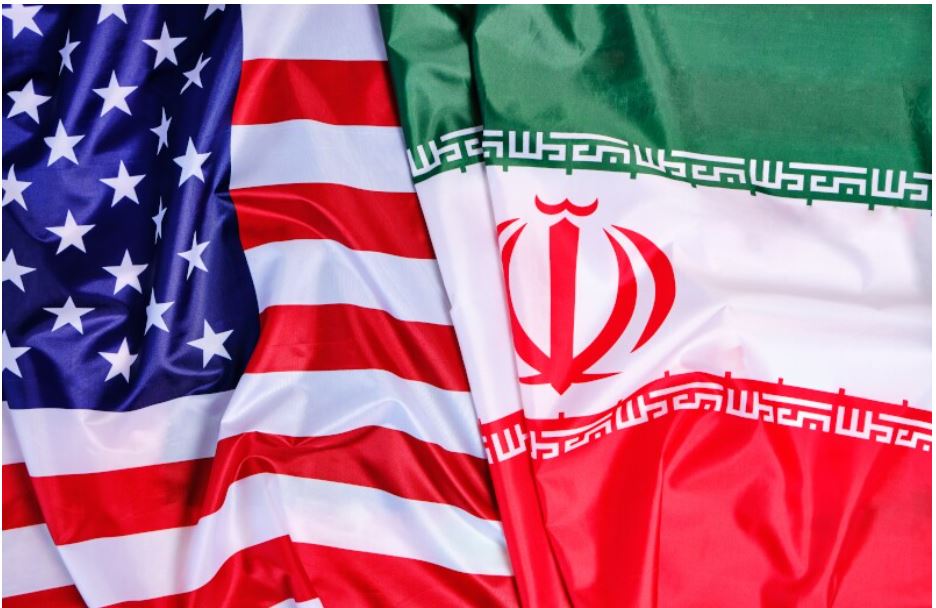
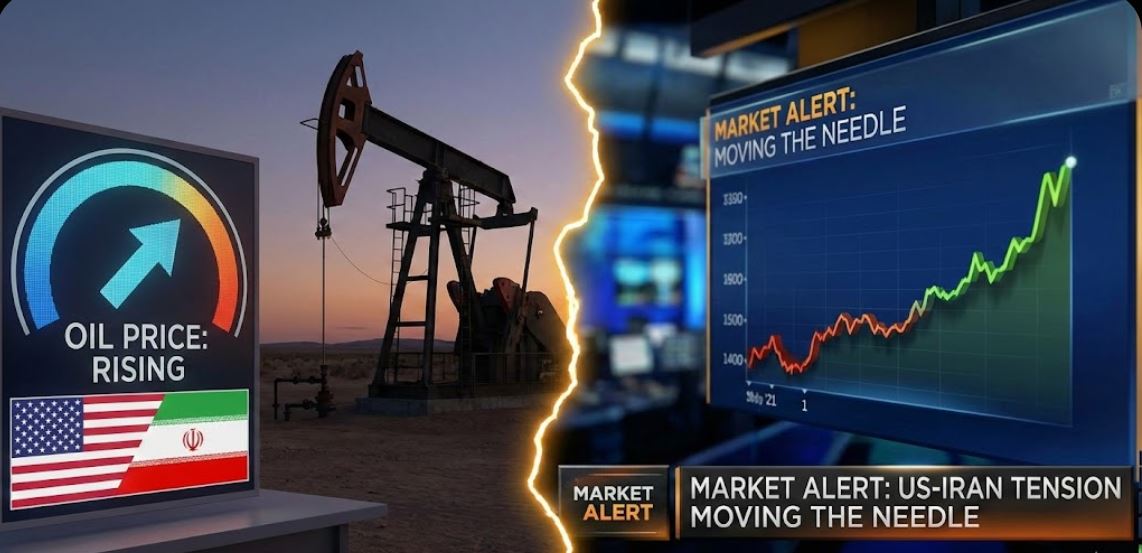
This week, oil prices have gone up and down sharply. The market is waiting for important negotiations about Iran and the United States, and as such, oil prices have started to increase again on Friday.
Brent Crude is about $69, and West Texas Intermediate WTI is around $64 per barrel today. This is the background behind the bounce back of oil prices.
Iranian media have reported that the upcoming negotiations with the US will be postponed, and the focus will be on larger issues rather than smaller technical issues, which is primarily just to find out the real intentions of the US and if they are serious about talking to the Iranians.
Oil prices in the Middle East fluctuate with each move towards peace or tension, as they represent 1/3rd of the world’s oil supply. Currently, although oil prices are marginally up since Friday, they are still on pace to have their first weekly loss since December.
Analysts believe that the geopolitical risk premium, or potential for rising prices due to a fear of war, is almost gone. Samantha Hartke of Vortexa said that “the market is returning to fundamentals and there is more than enough oil available now.”
However, should these negotiations fall apart, the fear tax will drive a tremendous amount of price increase. Although everyone is focusing on the US-Iran talks, three other important stories are also unfolding:
Price Lowering by Saudi Arabia: Saudi Arabia is lowering its oil prices for Asian buyers beyond people’s expectations. This signals the belief of the Kingdom that demand for oil is still strong.
The Breakthrough of Russia-Ukraine: Surprisingly, Russia and Ukraine have agreed to a prisoner exchange. This progress in ending their four-year-long conflict will play a significant role in stabilizing the global markets.
BP Move within Iraq: BP, the energy giant, is searching for a partner to increase production at the Kirkuk oil field in Iraq. Since Iraqi oil is among the cheapest and easiest to pull out of the ground.
Read: Europe’s Inflation Hits 2026 Low: A Victory for Consumers or a Warning for the Economy?
Thus, currently, the fuel prices are determined by prevailing diplomacy. However, if the negotiations between the US and Iran are fruitful, then the oil prices will either drop or become stable. But the talks fail, then it is expected that the risk premium will push the prices either back to $70 or beyond.