Japan’s economy has been suffering badly due to slow GDP growth as Q4 data indicate GDP rises annualised 0.2%, below the forecast of 1.6%. Consumption also slowed down to 0.1%, putting pressure on Takaichi’s policy decisions
Reuters- Japan’s economy has been severely impacted due to meagre growth in the fourth quarter, missing market expectations and putting pressure on Prime Minister Sanae Takaichi’s government. Since the cost of living weighs on consumer confidence and spending.
Following a sweeping election victory, Takaichi’s government is preparing to increase investment through targeted public spending to boost consumption and revive economic growth.
The data released on Monday has presented a clear picture of current challenges faced by policy makers at a time when the Bank of Japan has restated its pledge to keep increasing the interest rates and normalize the monetary settings amid a weak yen and persistent inflation.
According to Marcel Thieliant, head of Asia Pacific at Capital Economics, Takaichi’s efforts to boost the economy through a weaker fiscal policy only seem prophetic.
The government data has indicated that the GDP in Japan increased by an annualised 0.2% in the fourth quarter, lower than the median estimate of 1.6% increase in a Reuters poll.
The economy barely managed to grow again after falling 2.6% last quarter and then recording only a small 0.10% gain for the fourth quarter compared to an expected gain of 0.40%. “This indicates that we do not have a good trend of recovery in the economy,” said Kazutaka Maeda, an economist at Meiji Yasuda Research Institute.
The areas, including capital expenditure, consumption, and exports, were expected to drive the economy stronger. However, the unexpected soft momentum kept the investors cautious about Takaichi’s campaign pledge to suspend the consumption tax. This issue created turmoil within the Japanese markets about fiscal slippage in the nation.
Moreover, Thieliant from Capital Economics revealed that the slow economic activity increases the possibilities that Takaichi will no longer suspend the sales tax on food, but will instead enact a supplementary budget during the first half of the fiscal year that begins in April.
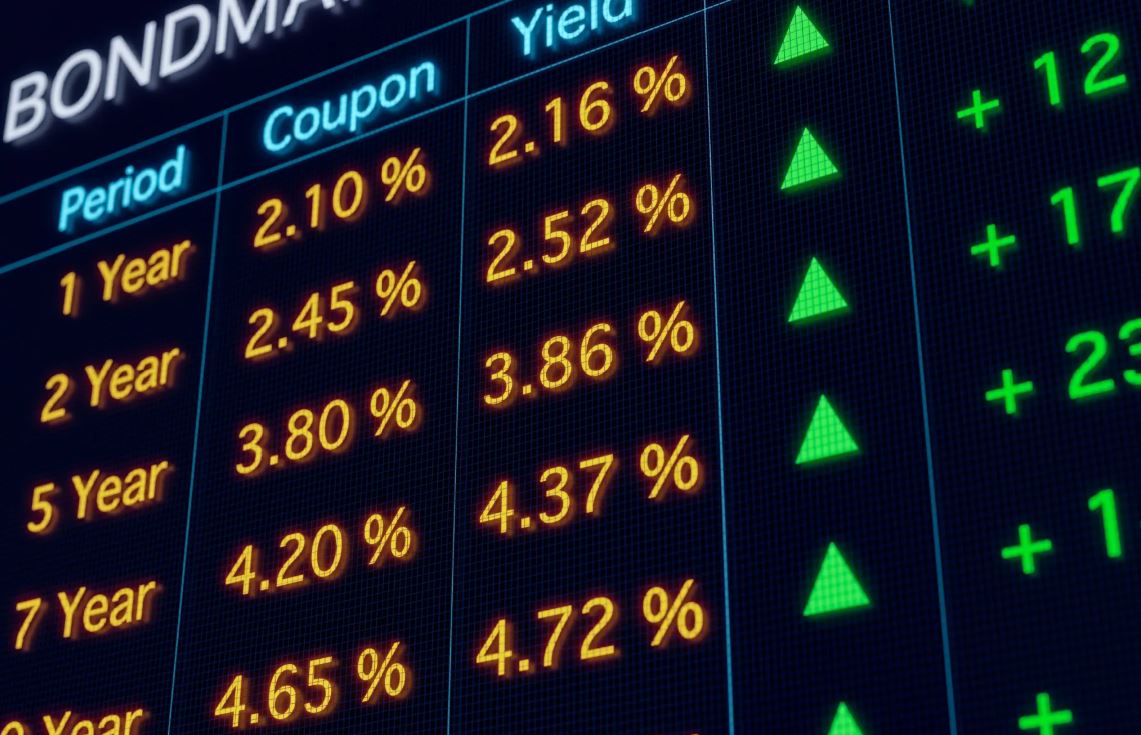
In the purview of the prevalent GDP data, the Japanese stocks shuttered and bonds subdued.
Slower Rate Hikes
The analysts anticipate that Japan will continue to expand at a slower pace this year. The weak outcome of its fourth quarter indicates that the economy will have to struggle to operate at its full capacity.
Shinichiro Kobayashi, principal economist at Mitsubishi UFJ Research and Consulting, has stated that the extent to which the economy can achieve sustainable growth is dependent on whether real wages can lead to positive growth.
A survey conducted by the Japan Centre for Economic Research revealed 38 economists forecast an average annualised GDP growth of 1.04% and 1.12% in the first and second quarters.
Economists argue that the latest GDP report will not influence the policy decisions of the Bank of Japan. However, Takaichi’s historic election win has increased market attention on whether dovis prime minister will again call for interest rates to remain low.
Though the GDP data showed a positive growth, the momentum was weak, and with the need to evaluate the influence of the rate hike in December, the possibility of an additional increase in the near term seems to have retreated.
The inflation dynamics of the nation emphasized the opposing approaches of the government and the Central Bank with respect to inflation. Kobayashi from Mitsubishi UFJ believes that the bank will concentrate on curbing inflation and not hold up the economy through this rate hike.
Over 50% of the economy is from private consumption, which rose 0.1% in Q4, consistent with expectations but less than the prior quarter’s 0.4% increase because of enduring high prices for food, which are affecting household spending.
Trump Factor
Capital investment is a major contributor to private demand-driven growth, but in Q4 grew 0.2%, which was less than the forecast of 0.8%. While historically, capex has had a volatile history, future revisions could show more strength than originally indicated for Q4 and late Q1 2026.
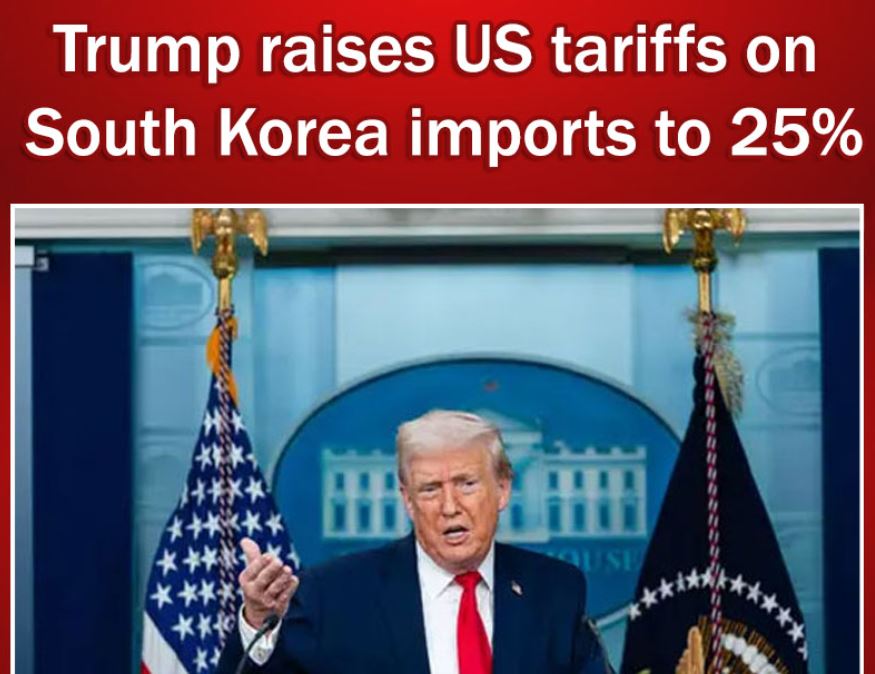
Nevertheless, the economy has to improve, specifically in its key manufacturing sector, which is adjusting to President Trump’s protectionist policies. Also, net external demand (exports less imports) contributed nothing to GDP for Q4 after contributing a negative 0.3 points in the July-September period.
Read: Asia Stocks Fall Amid Thin Holiday Trading, Japan GDP Disappoints
Exports fell more in Q4 after the U.S. imposed a baseline tariff of 15% on nearly all Japanese exports compared to the previous tariffs of 27.5% on automobiles and an initial threat of 25% on almost all other goods. “It appears imposition of tariffs reached its high point in the July-September period.” Based on these results, Meiji Yasuda Maeda stated that moving forward, firms will continue to adopt a cautious approach.