Gold prices dropped below$4,900 per ounce in thin trade due to the closure of most Asian markets for the Lunar New Year. Spot gold fell by 2.7%.
Bloomberg- Gold dropped below $4,900 per ounce in thin trading due to the close of most Asian markets for the Lunar New Year. Silver also fell.
Spot gold dropped by 2.7% on Tuesday, reaching its lowest intraday level in more than a week. The move was followed by 1% drop in the previous session, after the metal increased slightly on Friday after the release of mild US inflation data, boosting the case for the Federal Reserve to reduce interest rates. The decreasing borrowing costs offer a favourable environment for non-yielding precious metals.
A multilayer rally leading to a breaking point in January was attributed to a wave of speculative buying. From a peak above $5,95 per ounce and then abruptly bullion set back to near $4,400. Since then, though the metal has regained some losses, trading has remained volatile.
The majority of banks, including Deutsche Bank AG, BNP Paribas SA, and Goldman Sachs Group Inc have anticipated that the prices will resume the upward trend, as the factors contributing to gold’s steady ascent still persist. These factors include concerns over the Fed’s independence, rising geopolitical tension, and a wider shift away from traditional currencies and sovereign bonds.
Fahad Tariq and other analysts at Jefferies stated that two major supportive factors for gold are dollar debasement and rising inflation, as they have increased the gold prices from $4,200 per ounce to $5,000 per ounce. On the other hand, central banks and investors are concerned that these factors have only one option, i.e., hard assets.
While prices have fallen to less than $5,000, downside risk will increase the longer they remain here. This will discourage bulls from buying at this level. According to Fawad Razaqzada, an analyst from City Index, the U.S. monetary policy will continue to be a major factor due to the recent slower-than-expected U.S. inflation report released on Friday.
The U.S. markets will reopen on Tuesday, after observing the Presidents’ Day holiday. The traders will pay close attention to the Fed’s meeting minutes on Wednesday to get a fresh perspective on the economy.
Read: Dollar Holds Firm as Thin Trade Turns Focus to Fed Minutes, GDP
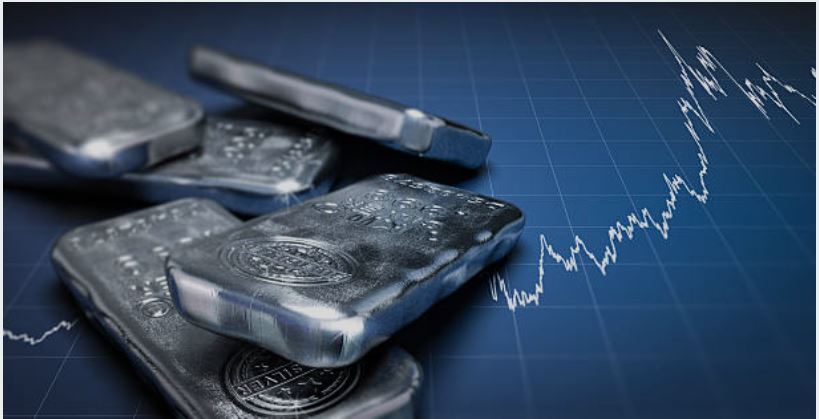
Silver dropped 5% on Tuesday before regaining most of those losses. Given its relatively small market size and low liquidity (compared to gold), silver tends to have larger price swings than gold; however, the current price swings experienced (relative to 1980) are greater than those experienced in the previous 35 years.
Silver supply continues to be tight in China primarily because of the high levels of demand from retail investors and industrial end-users; however, there are signs of speculative interest decreasing on the Shanghai Futures Exchange, according to Marc Loeffert.
Spot gold dropped by 1.9% to $4,899.50 per ounce in Singapore. Sliver fell by 2.7% to $74.55 per ounce. Platinum and palladium also declined. The Bloomberg Spot Index, a gauge of the US currency was not changed significantly.