World’s stocks are mixed, as European shares opened lower while Asian shares gained after following a rally on Wall Street led by Nvidia. Nvidia added 1.6% after Meta Platforms announced a long-term partnership with the computer chip giant.
YahooFinance- European Shares opened lower while Asian shares gained after following a rally on Wall Street that was led by Nvidia
US stock futures showed minor changes on late Wednesday after reporting strong advancements across major benchmarks during the regular sessions.
The contracts associated with Dow Jones Industrial Average(YM==F) were just above the flatline. Futures linked to S& P 500 (ES=F) were also slightly higher than the baseline. While the NASDAQ 100(NQ=F) rose 0.1% higher.
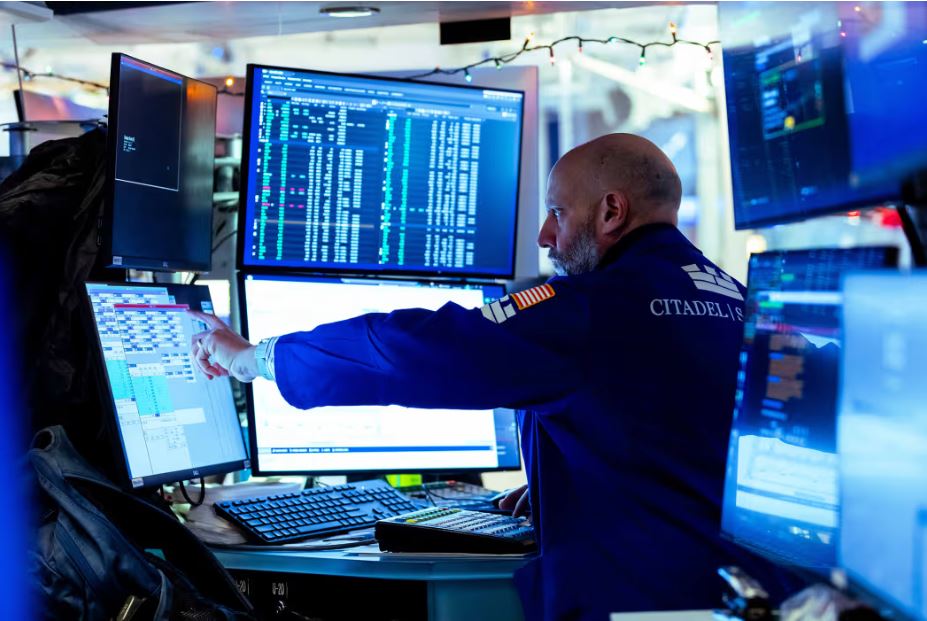
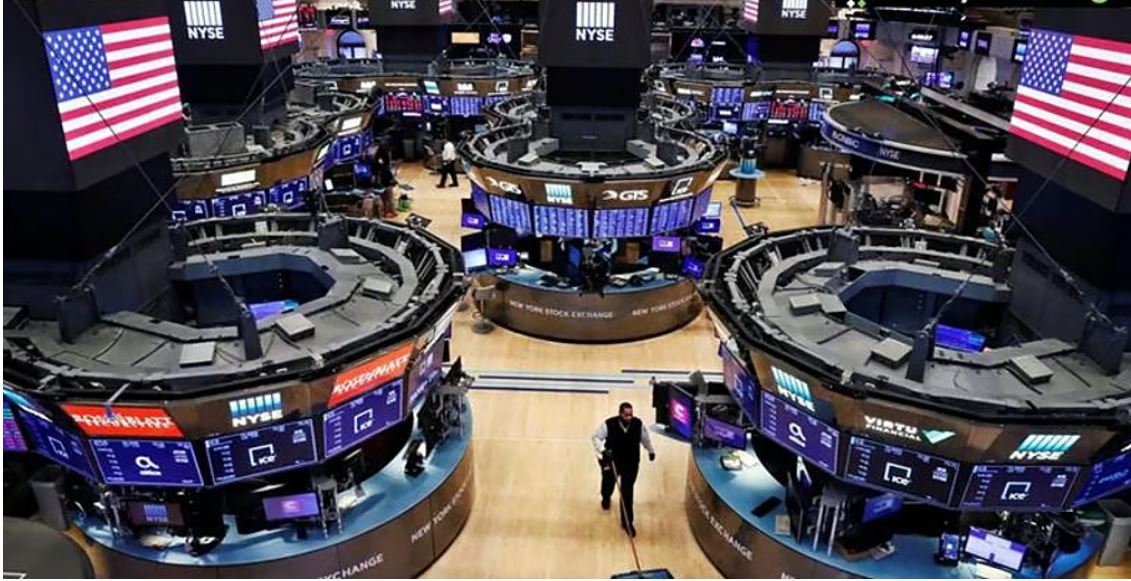
The markets closed with gains earlier today, primarily led by the S&P 500 (^GSPC) and Nasdaq Composite (^IXIC). Strength in technology mega-cap stocks provided support for the overall market rally with renewed optimism based on the resurgence of the “Magnificent Seven” stocks mentioned above. Specifically, both Nvidia (NVDA) and Amazon (AMZN) demonstrated solid gains today.
Following this rally on Wall Street, the Asian shares also gained on Thursday. The computer chip giant, Nvidia, dominated these gains. The shares of Nvidia rose by 1.6% after Meta Platforms announced a long-term partnership. Under this partnership, Nvidia will offer millions of chips and other equipment to Meta platforms for its AI data centers.
This indicates the benefits of AI for the U.S. stock market. However, the investors are also considering the limitations of AI, which has caused sharp swings in share prices.
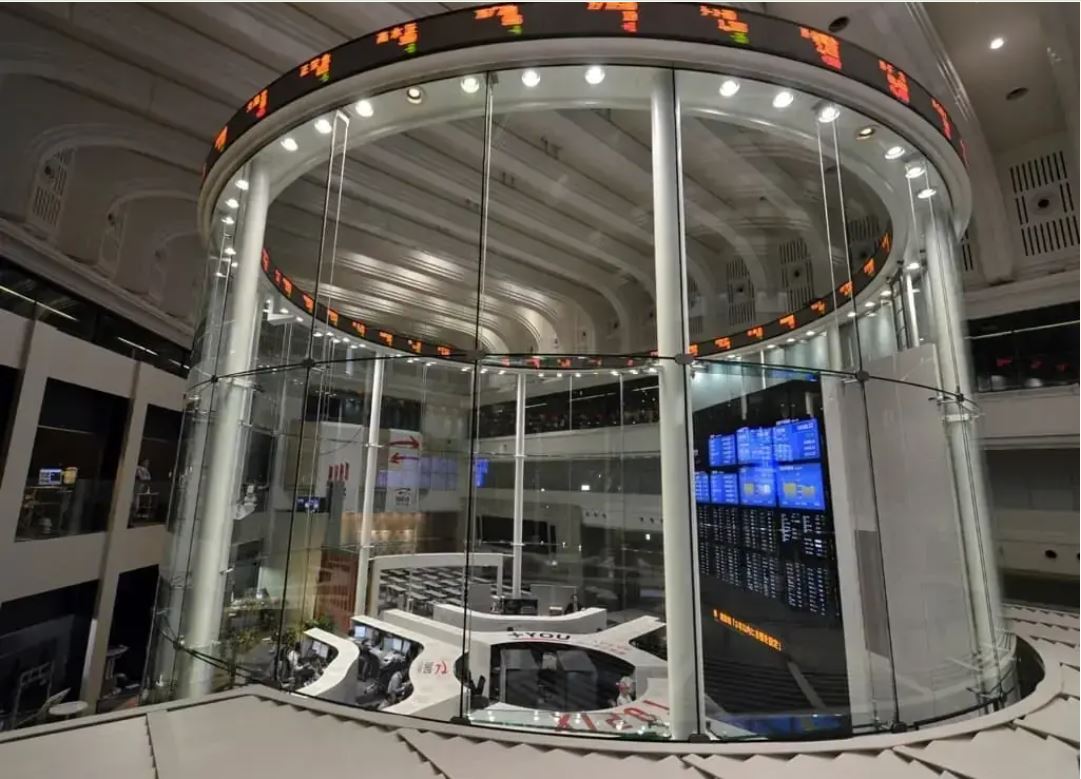
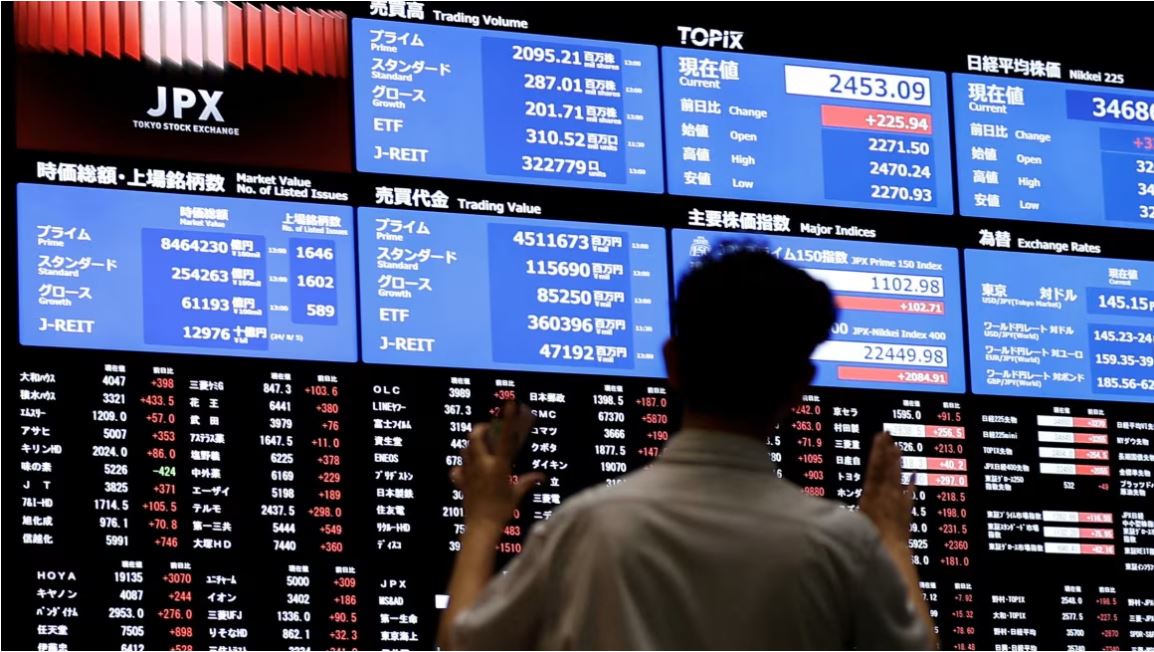
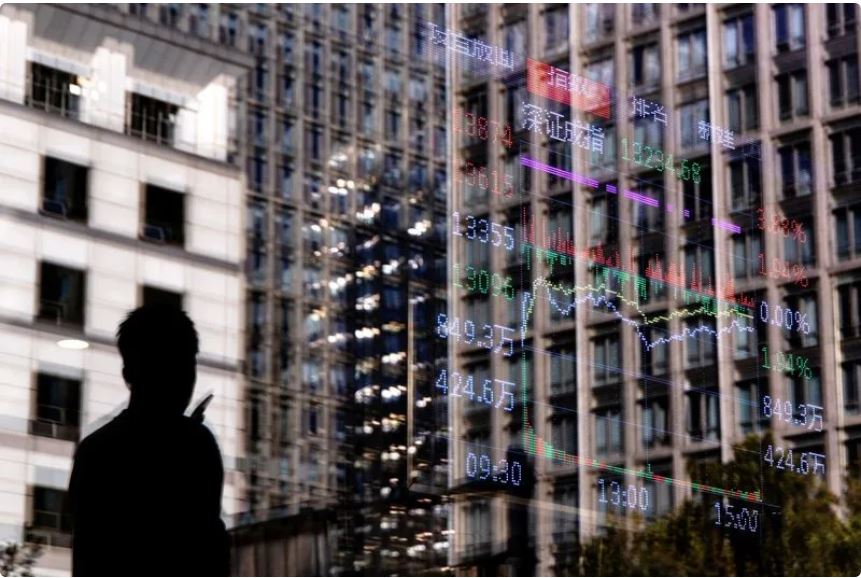
In Tokyo, the Nikkei 225 increased by 0.6% to 57,467.83, whereas in South Korea, the Kospi climbed by 3.1% to 5,677.25 after the reopening of the market. Samsung Electronics, the biggest heavyweight within the market, added 4.9%.
In Australia, S&P/ASX 200 increased by 0.9% to 9,086.20, and in Thailand SET was up by 1.7%. On the other hand, India’s Sensex, after its early gains, dropped by 0.8%.
In London, the FTSE 100 rose by 1.2% after the latest update on UK inflation data, strengthening the expectations that the Bank of England may reduce interest rates soon.
The oil prices have also increased, according to recent media reports. Since US President Donald Trump is currently assessing whether to take military action against Iran. The diplomatic talks between the US and Iran have not reached a consensus yet, as the US is increasing its military resources within the region on one hand, while planning to hold talks with Tehran on a new proposal in Geneva in the coming weeks.
Read: Vietnamese Airlines Seal $30 Billion Boeing Jet Deal for 90 Aircraft
The economy is doing better than expected, as one report indicated that industrial production increased last month. Other reports indicated that orders for manufactured goods such as computers and fabricated metal products, which typically last a long time, also increased in December more than most economists had anticipated (excluding orders for airplanes and other forms of transportation).
Also, the number of homebuilders beginning construction on new homes exceeded expectations for the month of December. This information could prompt the Federal Reserve to consider leaving interest rates unchanged.
The Federal Reserve has halted its policy of lowering interest rates but is widely expected to resume lowering rates, as most of Wall Street is predicting that will occur sometime during the summer, after the new chair of the Fed begins his or her term.
Minutes from the Federal Reserve meeting, released on Wednesday, showed many officials at the Federal Reserve would like to see inflation drop further prior to approving any additional reductions in the rate.
Lowering interest rates has potential benefits, such as stimulating both the economy and investment values; however, there could be potential negative effects as well (i.e., increasing total inflation).
Thus, the market is currently in an optimistic state, as the powerful economic data, AI-powered tech gains, and geopolitical risks might influence investors’ sentiments and the Fed’s decisions on interest rates.