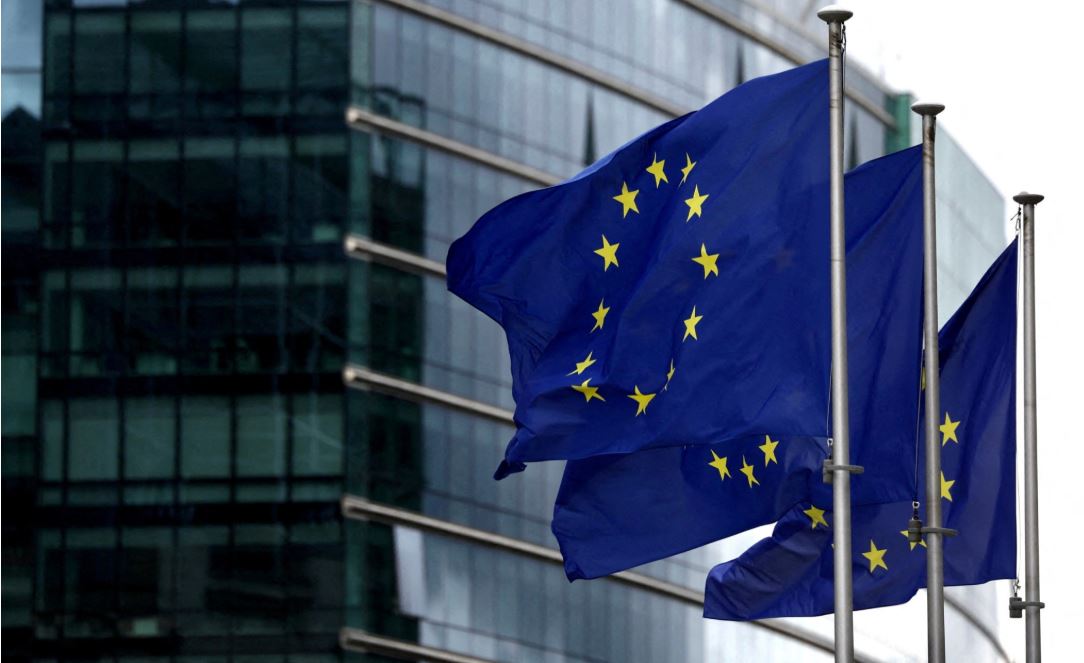
Inflation within the Eurozone is losing its pace. The price growth hit its lowest level in January 2026 since 2024, decreasing even below the ECB’s official medium-term target of 2%. The latest estimate of Eurostat indicates that annual inflation in the euro area decreased from 2% in December, according to market expectations.
Although the decreasing prices sound like exciting news, the entire story behind these numbers is quite complicated. A simple breakdown of what is happening in the European economy will better help to understand these dynamics.
The Good News – Energy & Food Prices Dropped
The primary reason for this decrease is energy. The prices for fuel and electricity dropped by 4.1%, offering a huge relief for households. Economists also considered the core inflation statistics, which overlook the irregular prices of food and energy, to understand the actual trend.
The data indicates that the food and energy prices dropped from 2.3% to 2.2%, the lowest since the last four years. Moreover, the consumer prices fell by 0.5% within a single month, the sharpest decline since 2023.
The Bad News – Weak Demand
Why is inflation falling rapidly? The experts like Professor Joe Nellis believe that the decreasing inflation is not because the economy has been fixed, but rather it is due to the fact that people are not spending.
Therefore, Nellis warned that dropping inflation is not a reason for celebration. He further explains that weak economic growth has crumpled the consumer demand. Fundamentally, the prices are persistently low because businesses are struggling to find customers who are willing to pay more.
A Story of Different Countries
It is important to understand that every country in Europe is experiencing a similar effect:
- France: Leading the entire region with the lowest inflation rate of 0.4%
- Italy: Recording a 1% inflation rate due to weak demand among shoppers
- Germany: Stands in the middle, i.e., 2.1%
- Slovakia: It is still struggling with inflation as it records the highest inflation rate of 4.2%
What Will the ECB Do?
With the decreasing inflation, it is widely expected that the ECB, led by President Christine Lagarde, will not change the interest rate and keep it where it is for now.
Read: Rupee Surges as US-India Pact Slashes Tariffs to 18%- A New Era for Trade
The majority of experts, especially from Bank of America and Goldman Sachs, believe that the ECB will remain cautious. Although the war on inflation is mostly won, the bank still wants to be guaranteed that prices will not rise again. Many analysts are also betting now on a small decrease in interest rates, which would help people interested in buying homes and businesses to borrow money at a lower price.
Final Thoughts
Life will become more predictable for an average person. The costs are not increasing every time you visit the store, and the Euro is becoming stronger. Nevertheless, the low inflation is considered a sign of a sleepy economy until the economy starts growing again and people feel confident to spend more.