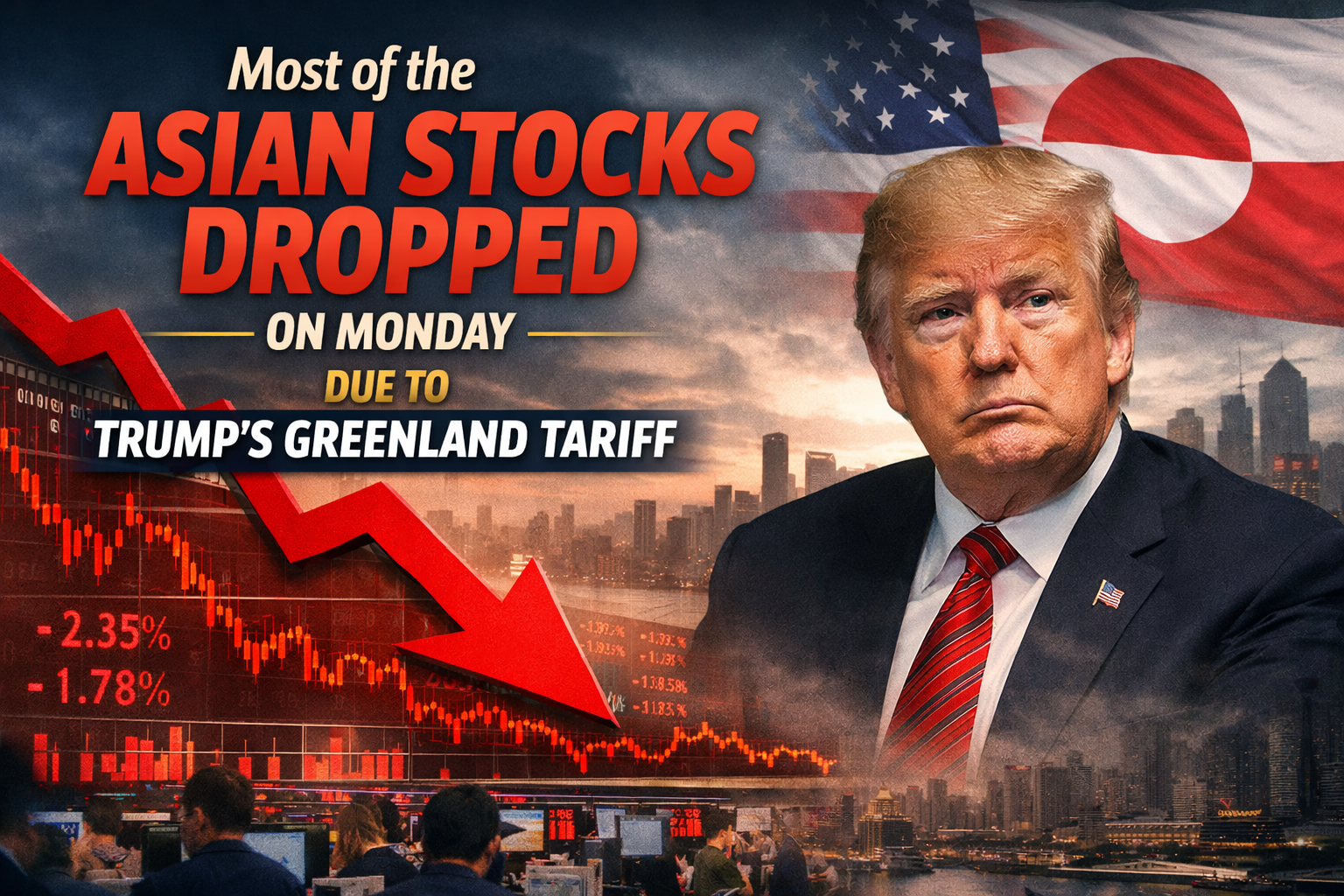
U.S. stock Futures plummeted sharply on January 15 after President Donald Trump targeted NATO Allies with tariff threats. The surge in volatility in the global marketplace can primarily be attributed to heightened concerns about strained relationships between the United States and many of its European trading partners.
On U.S. Martin Luther King Jr. Day — a holiday in the United States — there was limited trading activity, but Futures contracts indicated an anticipated weak opening for Wall Street, with Dow Jones Industrial Average contracts dropping approximately 0.8 per cent, S&P 500 Future contracts falling nearly 1 per cent, and Nasdaq 100 Future Contracts falling about 1.2 per cent.
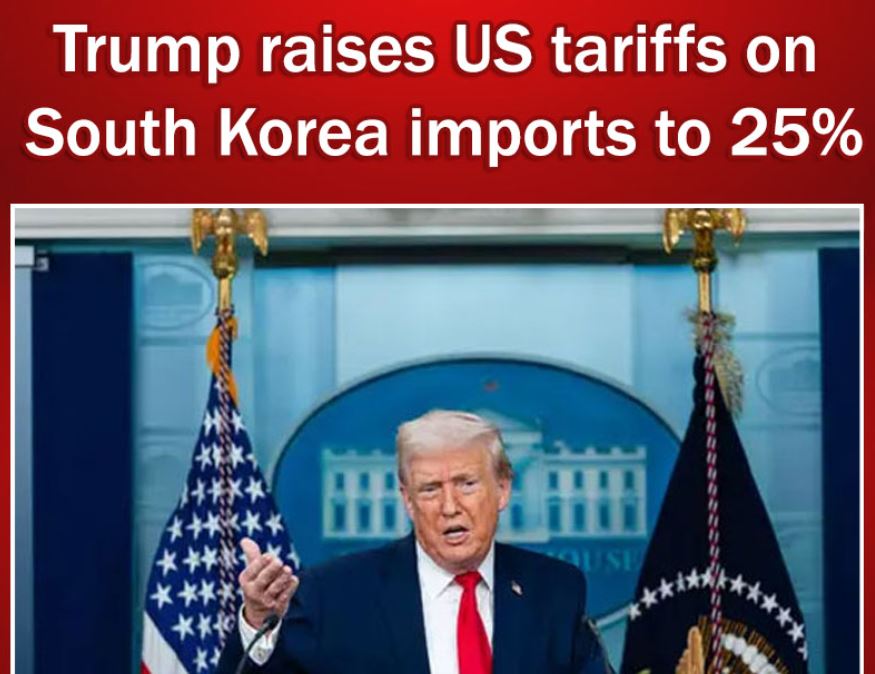
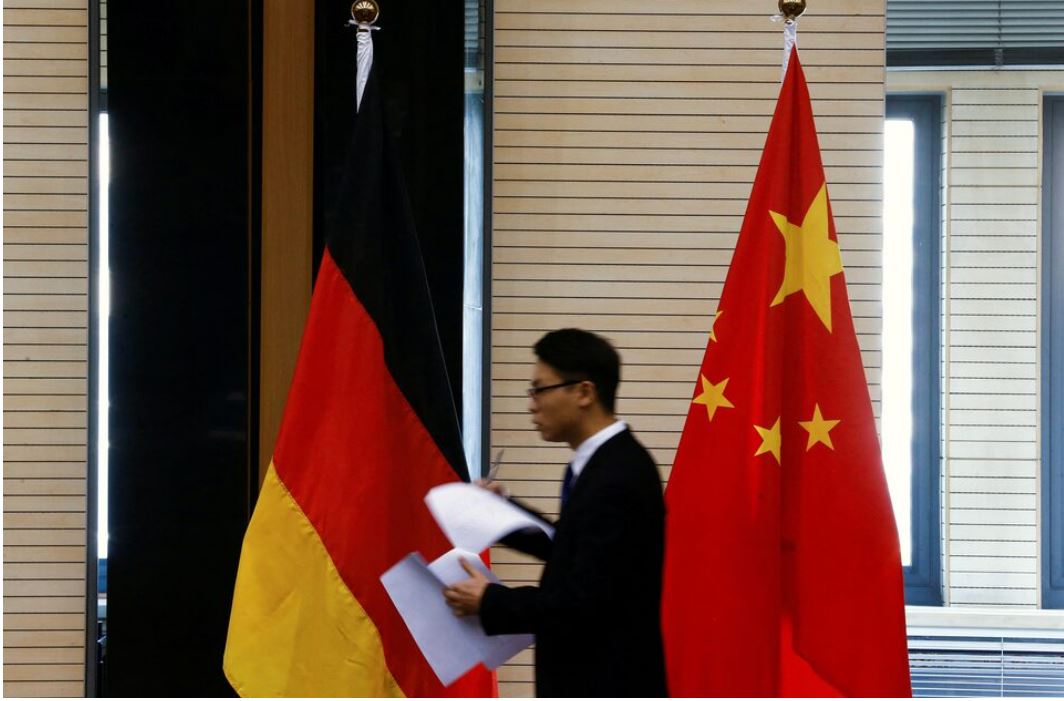
The decline of these contracts indicates a higher level of risk aversion from traders due to the fact that both geopolitical and other types of risks are on the rise. The announcement made by President Trump on January 13th is ominous in that it shows that the US is going to impose further tariffs at a 10% rate on specific items imported from 8 European Nations including Denmark, Norway, Sweden, France, Germany, Netherlands, Finland and England until such a time as an agreement can be worked out between the two countries concerning the acquisition of Greenland by the US. If no such agreement is made then those tariffs could be raised and continue to rise each month thereafter by 25%.
In response to U.S. tariffs, the countries affected issued strong public statements stating that the U.S. has damaged transatlantic relations by threatening to impose tariffs, and that these threats could ultimately lead to retaliatory measures. Leaders within Europe stated that the threatened tariffs were an unacceptable action that could jeopardise the longstanding alliance that has existed between Europe and the U.S. for many years, as well as bring about instability to international trade.
The feeling of instability caused by the threat of tariffs created an immediate decline in U.S. futures prices and led to a decline in European stock prices as well. All the primary European stock market indices finished at least 1% lower on the day. The DAX in Germany was over 2% lower, and the CAC 40 in France was also over 2% lower. There was also a small decline in the FTSE 100 index in the U.K.
The declines in both the U.S. futures market and the European stock markets caused investors to feel increasingly uneasy about the potential for the dispute over Greenland and the threatened tariffs to escalate into a more extensive trade dispute and provoke economic retaliation.
As a result of this increased uncertainty, investors sought safe-haven investments and therefore increased their purchases of gold and silver, which drove both of these metals’ prices higher. Similarly, the U.S. dollar lost value against other currencies due to strengthening apprehensions over slow economic growth and potential trade division. With the U.S. Futures market declining, Asian stock markets also declined.
Markets in Japan, Hong Kong, and the rest of the Asia/Pacific region saw decreases as a consequence of investor concern regarding tariffs and overall uncertainty about the global capital markets (the so-called “risk off” climate). There was some variance among specific indices; however, most indices continued to trend downwards over the weekend, as a result of investors realigning their portfolios before Monday’s trading activity.
Read: Why Gold Prices are reaching new records high- What investors need to know
Many analysts continue to identify increasing tension between the United States and Europe create more than just stock price fluctuations. These tensions also have the potential to negatively impact business confidence and cross-border investment activity if the U.S. continues to impose tariffs on European goods and subsequently, Europe imposes counter-tariff measures on U.S. goods.
Additionally, many analysts believe that the uncertainty regarding the ongoing conflict could negatively impact investor confidence during the upcoming earnings season and during the World Economic Forum held in Davos, Switzerland, where the issues of economic cooperation and geopolitical risk will be discussed and presented as major issues. Although there were drastic changes in prices in the last week, many investors are still uncertain about making extended projections based on the price fluctuations over the last week.
Many investors believe that tariff-related price fluctuations are typical of the markets. However, they believe that the overall economic fundamentals for many of the world’s largest economies have been and continue to remain strong. In light of the current U.S.-European conflict, it is anticipated that risk alleviation tactics and safe-haven positioning will become more meaningful and increasingly important throughout the market trading of early 2026.